Part 4 in our A Guide to Roses Series
- Part 1 - An Intro to Roses: Choosing and Caring for Healthy Plants
- Part 2 - Planting Roses: Tips for Success
- Part 3 - Feeding and Soil Care for Roses
- Part 4 - Pruning Roses (this article)
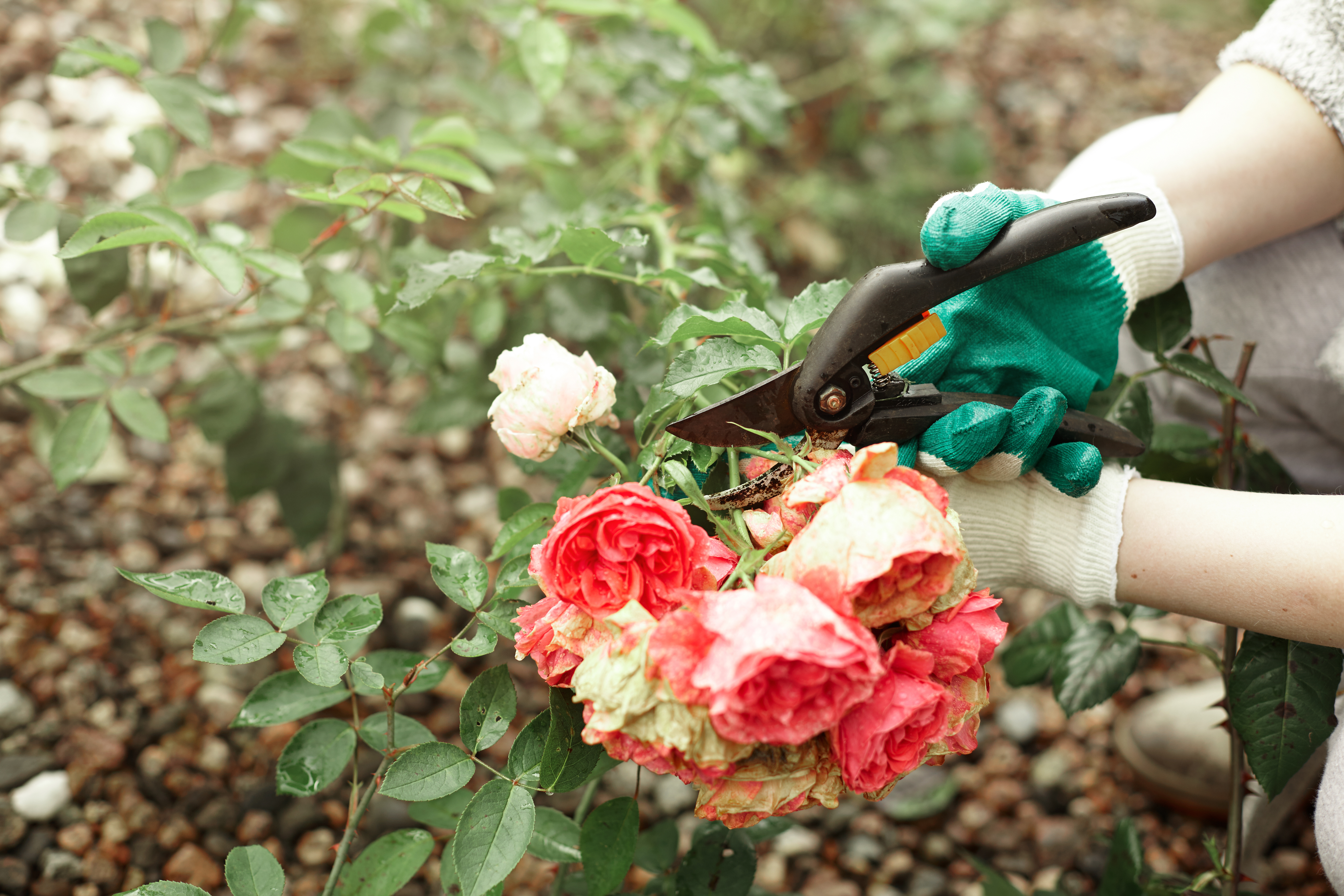
Part 4 in our A Guide to Roses Series
Pruning is an essential part of woody plant care, helping to remove dead, diseased, and damaged growth while encouraging healthy structure and vigorous new growth. In roses, proper pruning can improve airflow, reduce disease pressure, and promote strong flowering.
In Part 4 of this series, we’ll look at how to prune roses, when to prune them, and what to watch for so your pruning efforts set your plants up for success.
This article offers general guidance on rose pruning. Specific types may have individual needs that vary from this guidance, some of which we’ll cover here. If in doubt, follow the recommendations for your specific cultivar and local growing conditions.
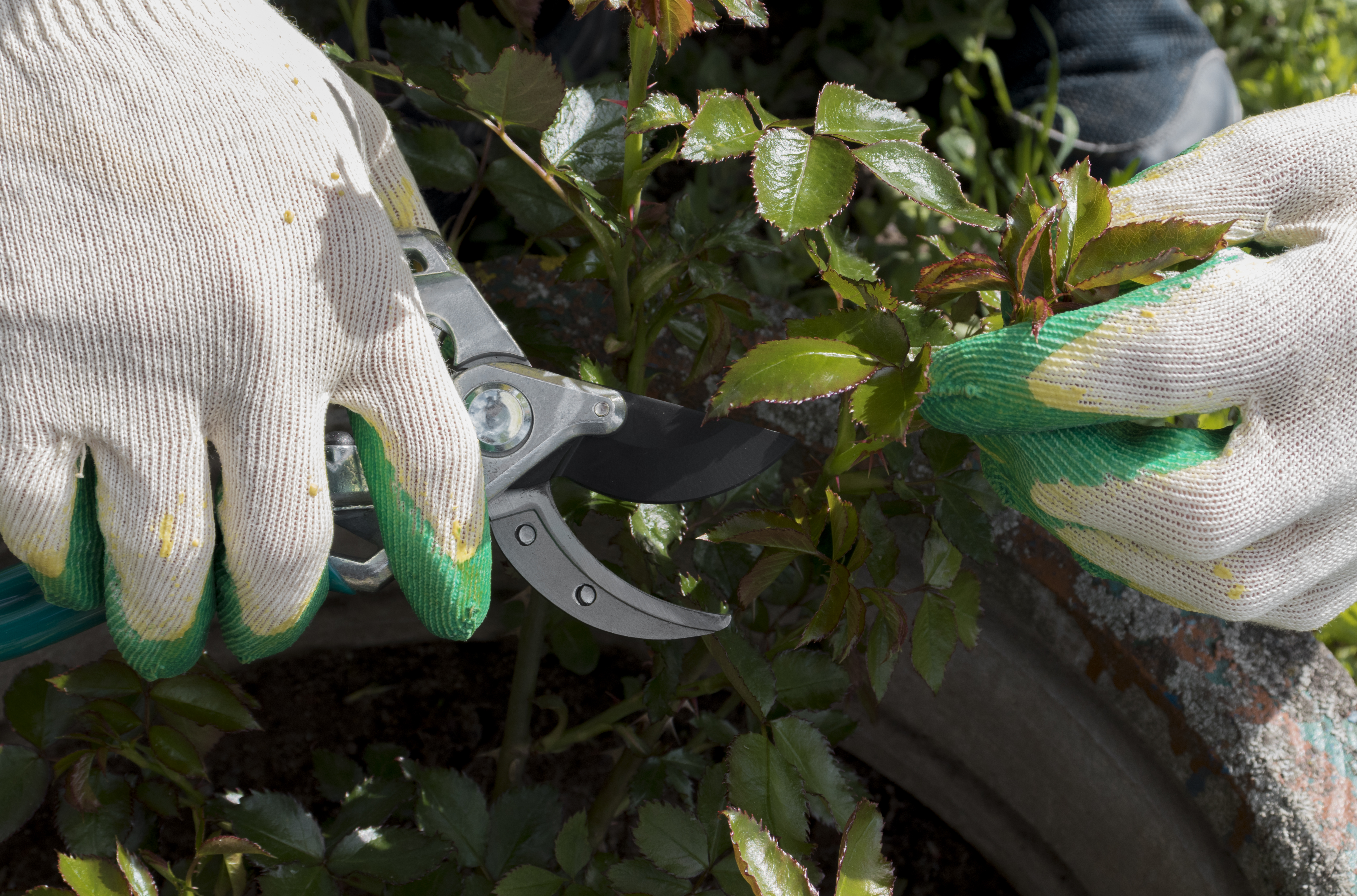
In general, late winter is the best time to prune roses. Waiting until after the last hard frost has passed is ideal, though most established roses are resilient and will recover if a late frost damages some of the new growth.
Pruning at this time encourages vigorous spring growth, removes material damaged during winter, and allows you to shape the plant before it invests energy into new stems and leaves. Additionally, because the plant has few or no leaves, depending on your climate, it is also much easier to see the rose’s structure, helping you to make clean, accurate cuts.
The most notable exception is rambling roses, which are typically pruned in late summer after flowering. Some climbing and once-flowering roses may also require different pruning schedules depending on when they bloom, so it is always worth checking the recommendations for your specific variety.
Deadhead pruning can be done whenever blooms are spent.
Proper pruning ultimately extends the life of a rose. Proper pruning helps maintain plant health and structure while encouraging consistent flowering.
Pruning should focus on:
First, all pruning tools should be sharp and sanitized. Sanitizing between plants is also beneficial for reducing the spread of disease.
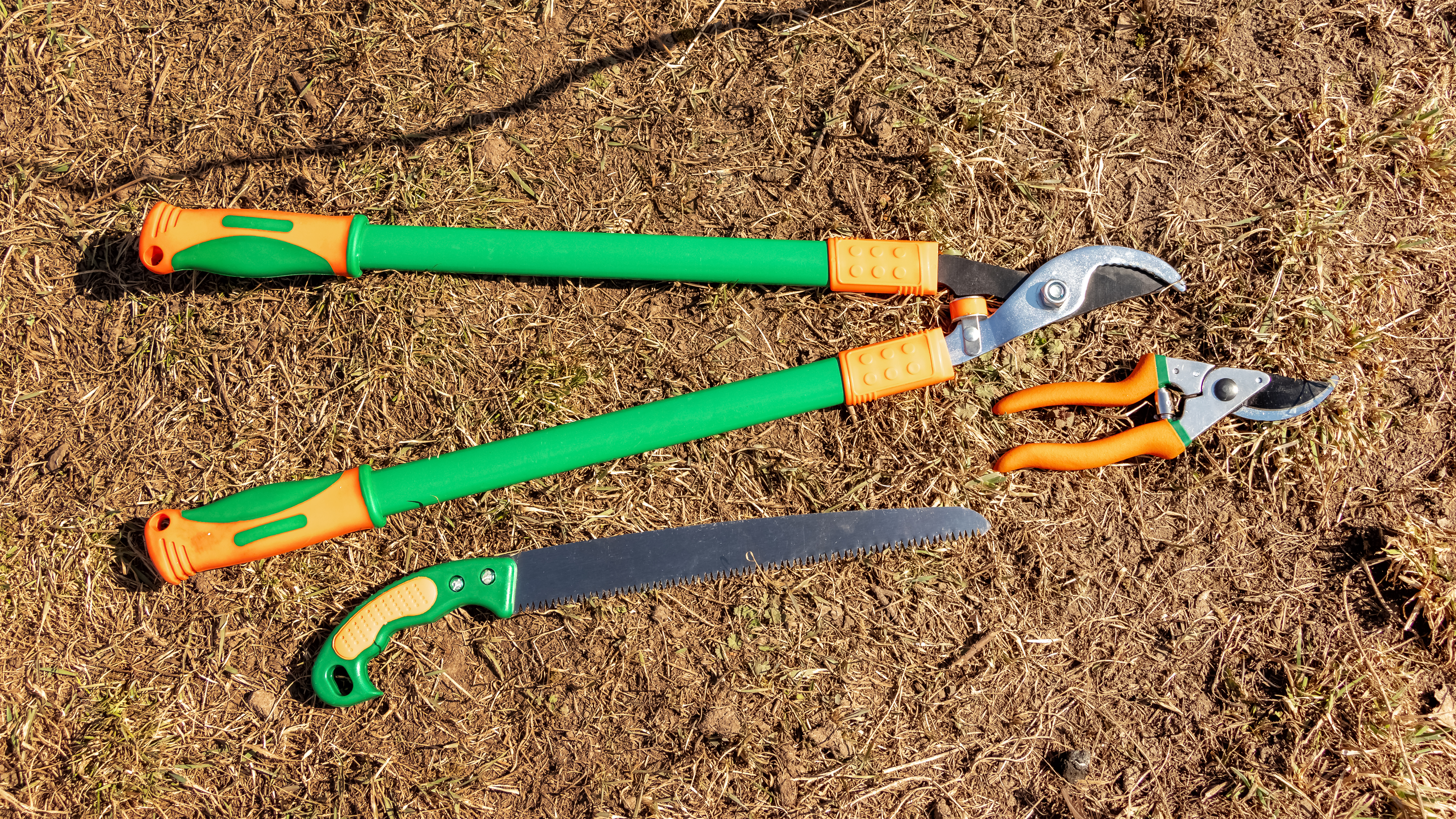
Secateurs, loppers, and a small pruning saw are all excellent tools to have on hand for pruning roses, along with a thick pair of gardening gloves. Stems mustn’t be crushed when they are pruned, so choosing an appropriately sized tool is paramount.
70% isopropyl alcohol is effective for sanitizing. To keep tools sharp, use a whetstone or blade sharpener.
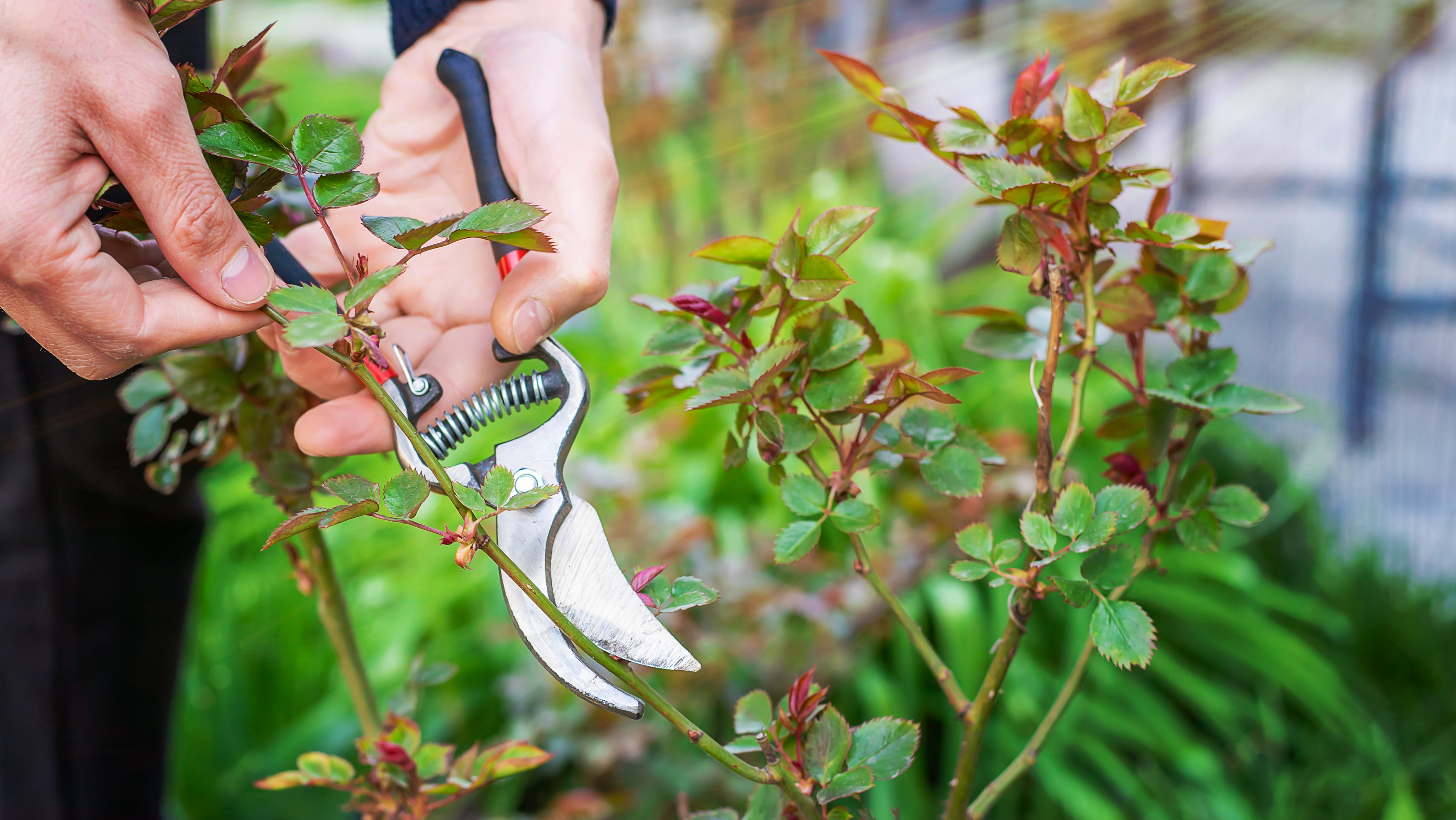
When pruning live stems, make cuts approximately 5 mm (¼ inch) above a healthy bud. Cuts should be angled so water runs off the wound rather than collecting on the cut surface or bud. This applies whether you are shaping the plant, deadheading, or removing growth.
The position of a bud determines the direction of new growth. An outward-facing bud will produce a more open, spreading structure, while an inward-facing bud encourages growth toward the center of the plant. In most bush roses, aim for an open, vase-shaped structure that allows good airflow and sunlight penetration.
If a suitable bud is not visible, make the best cut you can at an appropriate height. Frost, pests, and disease can all damage buds, making them difficult to identify.
If you’re unsure on how aggressively to cut back, less is better than more. Additionally, gardening books on roses have fantastic visuals. Your local library may have some great resources.
A good general pruning sequence is:
For stems that are dead or diseased, cut back to healthy tissue where the center (pith) is clean and white. These stems can be removed at any time of year to reduce the spread of disease and limit pest activity.
On established roses, older stems will eventually flower poorly or stop flowering altogether. These can be removed near the base of the plant to encourage vigorous new growth.
Except for some climbing and shrub roses, newly planted roses are often pruned more heavily to encourage strong structural growth.
These general principles, together with any specific recommendations for your rose cultivar, will help you maintain healthy, productive plants for years to come.
Roses benefit from good hygiene after pruning, as leftover plant material can contribute to disease issues. Clear away all stem cuttings, old leaves and flowers, and remove weeds.
After heavy late-winter pruning, apply a fresh layer of mulch to help conserve moisture, regulate soil temperature, and suppress weeds. Keep mulch pulled a few inches away from the base of the stems to reduce the risk of rot and decay.
Water plants deeply after pruning to help them recover and support early spring growth.
Monitor plants over the following weeks for signs of stress, dieback, or disease. Pests such as aphids may also become more noticeable as new growth emerges. While roses are generally resilient, early intervention will help prevent minor issues from developing into larger problems.
A well-pruned rose looks good, and with regular trimming and care, plants will grow healthily for years. Sharp, sanitized tools, pruning at the correct time, and making the right cuts will set you and your roses up for success.