Part 2 in our A Guide to Roses Series
- Part 1 - An Intro to Roses: Choosing and Caring for Healthy Plants
- Part 2 - Planting Roses: Tips for Success (this article)
- Part 3 - Feeding and Soil Care for Roses
- Part 4 - Pruning Roses
Part 2 in our A Guide to Roses Series
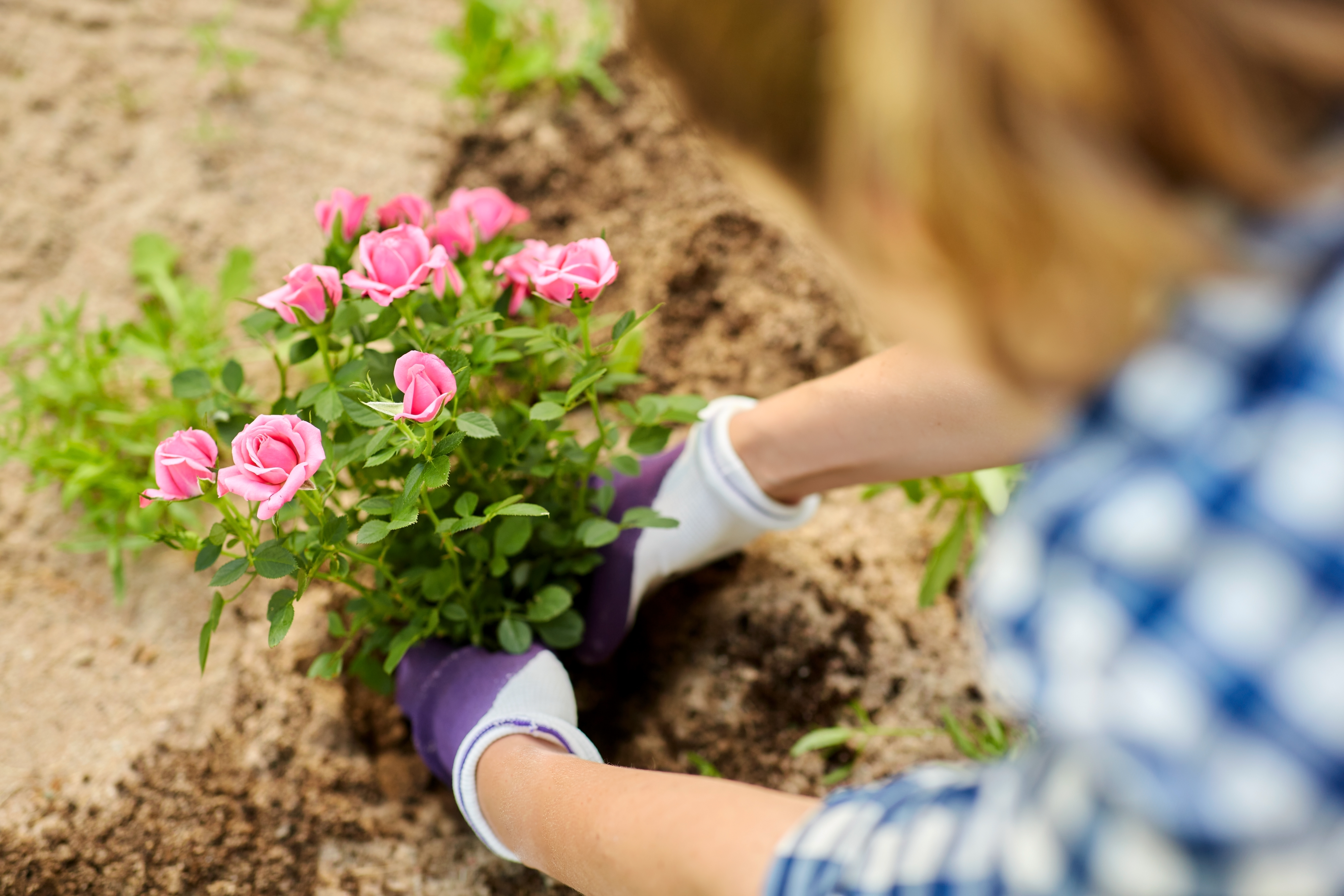
Roses can be a little unforgiving if planted incorrectly or at the wrong time. However, when they get established, they grow a strong, deep root system, making them particularly resilient plants once they’ve settled in.
In this article, we’ll cover how to plant roses and the steps to care for them post-planting so that your roses can overcome transplant shock and establish as strong plants quickly.
The first step to a successful planting is having a good rose plant. Before you make your purchase, you want to look for a plant that:
When possible, choose a variety that is resistant to pests and diseases as well.
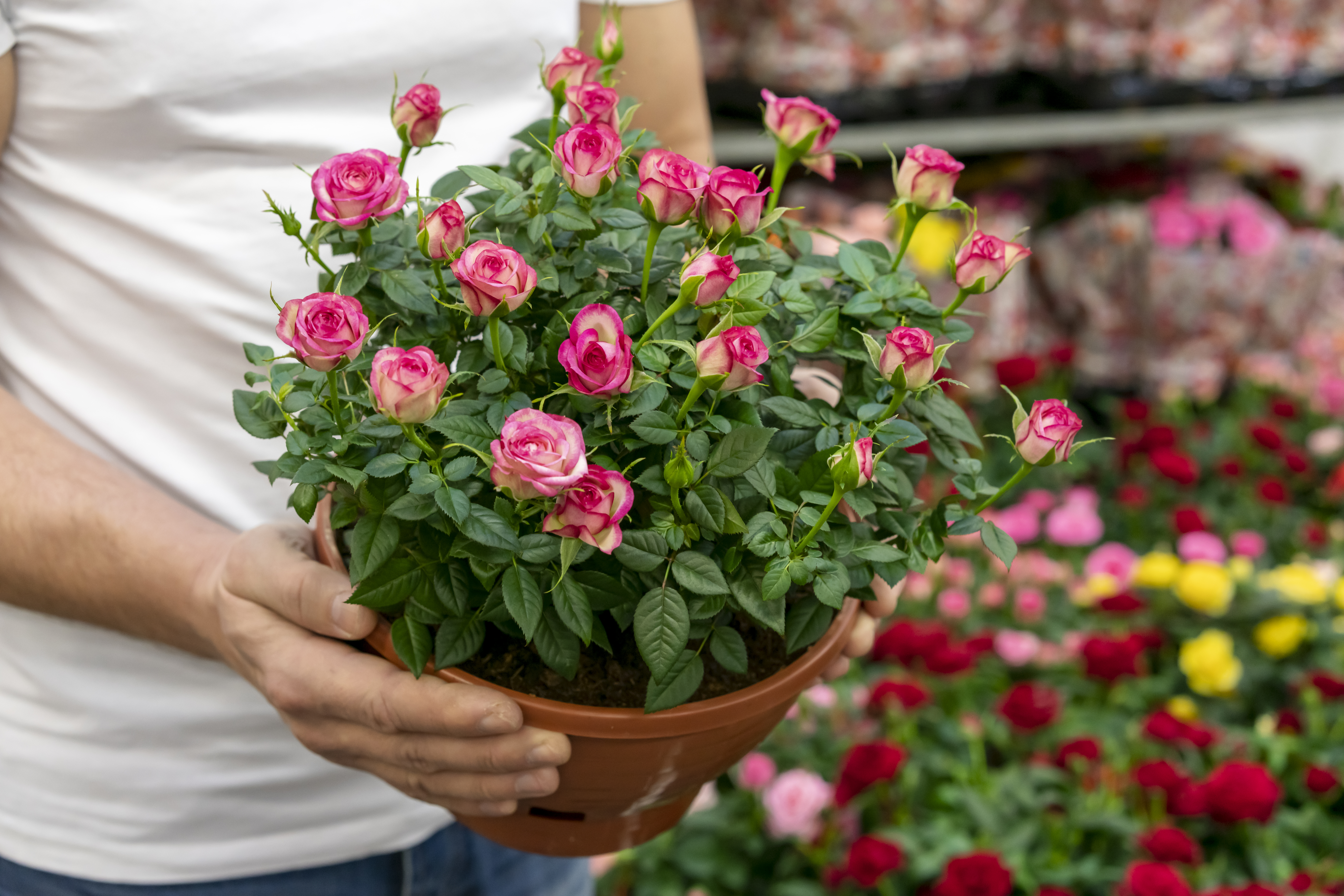
Ideally, you want to match the rose to the site conditions as closely as possible. It’s important to factor in other conditions like reflected heat and competing plants as well.
Most roses benefit from being planted away from heavy root competition from trees, shrubs, and large perennials. The area should have good airflow, shouldn’t stay damp throughout the day, and should get at least 4-6 hours of sunlight during the summer months. This will vary by cultivar.
If you’re planting in containers, this will help you to choose the appropriately sized pot:
Containers should have excellent drainage to prevent root rot.
Generally, bare-root roses are the best option. They transplant well, often have stronger, more developed root systems, and are more affordable. Container-grown roses are typically the most expensive and can suffer from bound roots.
After selecting your planting location, it is beneficial to amend the soil. Recommendations vary, but an amendment of 1 part rich organic material, such as manure, to 2 parts existing soil is a good baseline. If you have heavy clay soils, mulch is an excellent soil conditioner.
Clear the area around the planting site from annual and perennial weeds, and mulch heavily to prevent regrowth, and help the rose bush. Mulch will reduce water loss, keep the soil at a more consistent temperature, and slow-release nutrients into the soil. Keep the mulch 2-3 inches away from the rose stems.
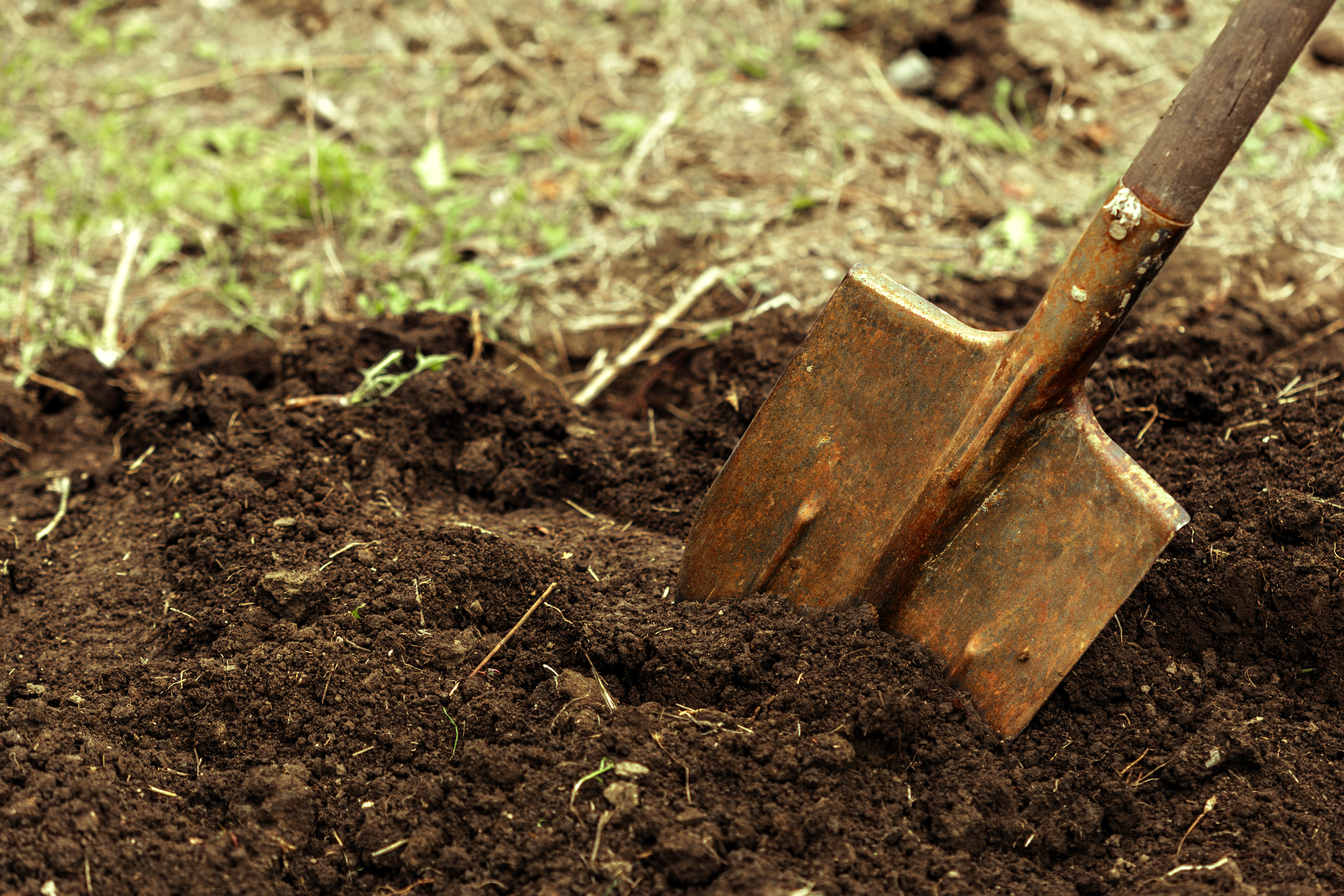
Dig a hole roughly twice the width of the current roots, and deep enough to accommodate the plant and keep the base of the stems at ground level. The ground will settle after planting, so plant a little higher than you think.
Carefully tease out the roots of container plants because, if this is not done, the roots may be very slow to extend outwards, leaving the young plant more susceptible to drought in summer. Backfill the hole and gently compact the soil. Some rose plants will need staking for the first year as they stabilize.
Thoroughly water the plant to encourage root growth and mitigate transplant shock.
Many roses are sold as grafted plants, where the flowering variety has been joined onto a different rootstock. The swollen graft union should generally sit at or just above soil level in warm climates, though gardeners in colder regions often plant it slightly below soil level for winter protection. Your local university extension or rose society will have the best planting depth for your area.
It’s critical to know if a rose has been planted in that area before. Roses are very susceptible to replant disease. Although not well understood, some plants struggle to establish in areas where members of the same family have grown recently. It is believed to be caused by a build-up of soil pests and pathogens. Fungal root diseases and nematodes are the favourite suspects.
To avoid this, you can do a soil transplant. Simply dig out the soil a few inches wider than the spread of the roots, and fill with a mix of soil from elsewhere in the garden, amended with organic material as explained above.
Newly planted roses need a bit of attention for the first couple of years as they grow into their new environment, and then seasonal care to keep them healthy.
New roses should not be fertilized as young roots are more susceptible to root burn from chemicals. Once vigorous growth begins to emerge, a light application of general fertilizer or rose fertilizer will do the job well, and periodic feedings will help the plant continue to grow. Granular fertilizers should be avoided for the first year.
Fertilizer is best absorbed by plants when the temperature is below 75°F (24°C). If you have hot, dry summers, time fertilizing for summer rainfall or early mornings when temperatures and UV are lower.
Fertilizing should be followed by mulching, ideally with well-rotted stable manure, to a depth of up to 8cm (3in). Alternatively, use well-rotted compost or undyed bark mulch. Keep the mulch clear of the rose stems, leaving a 10cm (4in) gap between the mulch and stems. You should mulch even if you don’t fertilize.
Depending on the rose, it may be well suited to the annual rainfall for your area. Regardless, for the first two years, regular, deep waterings, particularly during the summer, will encourage deep root growth and prevent plant stress.
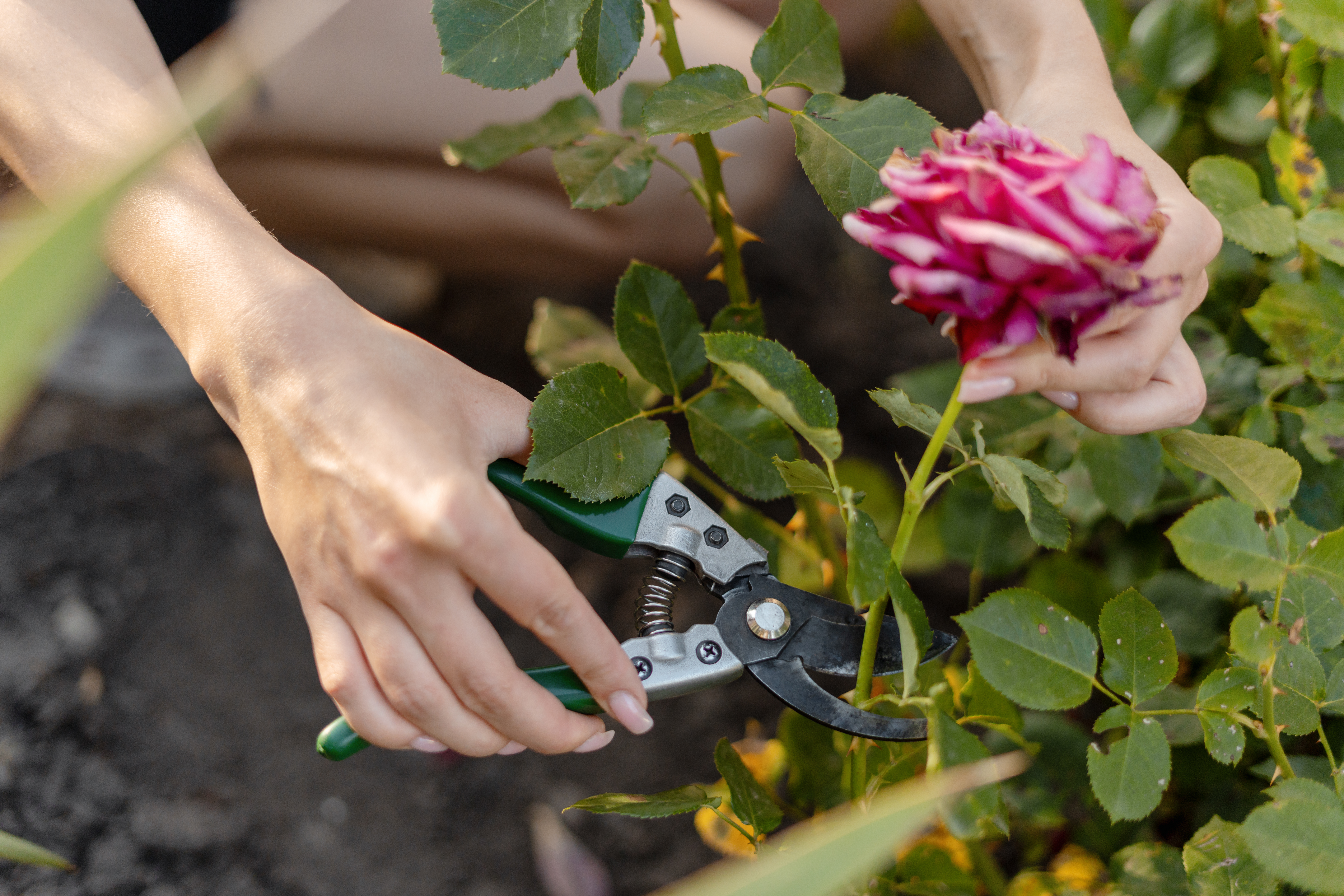
Roses should be pruned the first winter after they have been planted. Focus on removing dead, damaged, or diseased stems first.
Roses are susceptible to disease. Sterilize pruning tools before use and between plants. If you have the space, consider having a dedicated pair just for roses. Rubbing alcohol is an excellent cleaning solution.
Pruning, fertilizing, and long-term maintenance are all important aspects of rose care, and we’ll explore those topics in greater detail later in this series.
Once established, rose care becomes part of your yearly garden routine. A well-planted rose will help to prevent disease and stress, and help plants to grow quickly and establish well during their first year of growth. With this general guide and any specific planting instructions for your cultivar, your roses should grow into happy and healthy plants.