Part 3 in our A Guide to Roses Series
- Part 1 - An Intro to Roses: Choosing and Caring for Healthy Plants
- Part 2 - Planting Roses: Tips for Success
- Part 3 - Feeding and Soil Care for Roses (this article)
- Part 4 - Pruning Roses
Part 3 in our A Guide to Roses Series
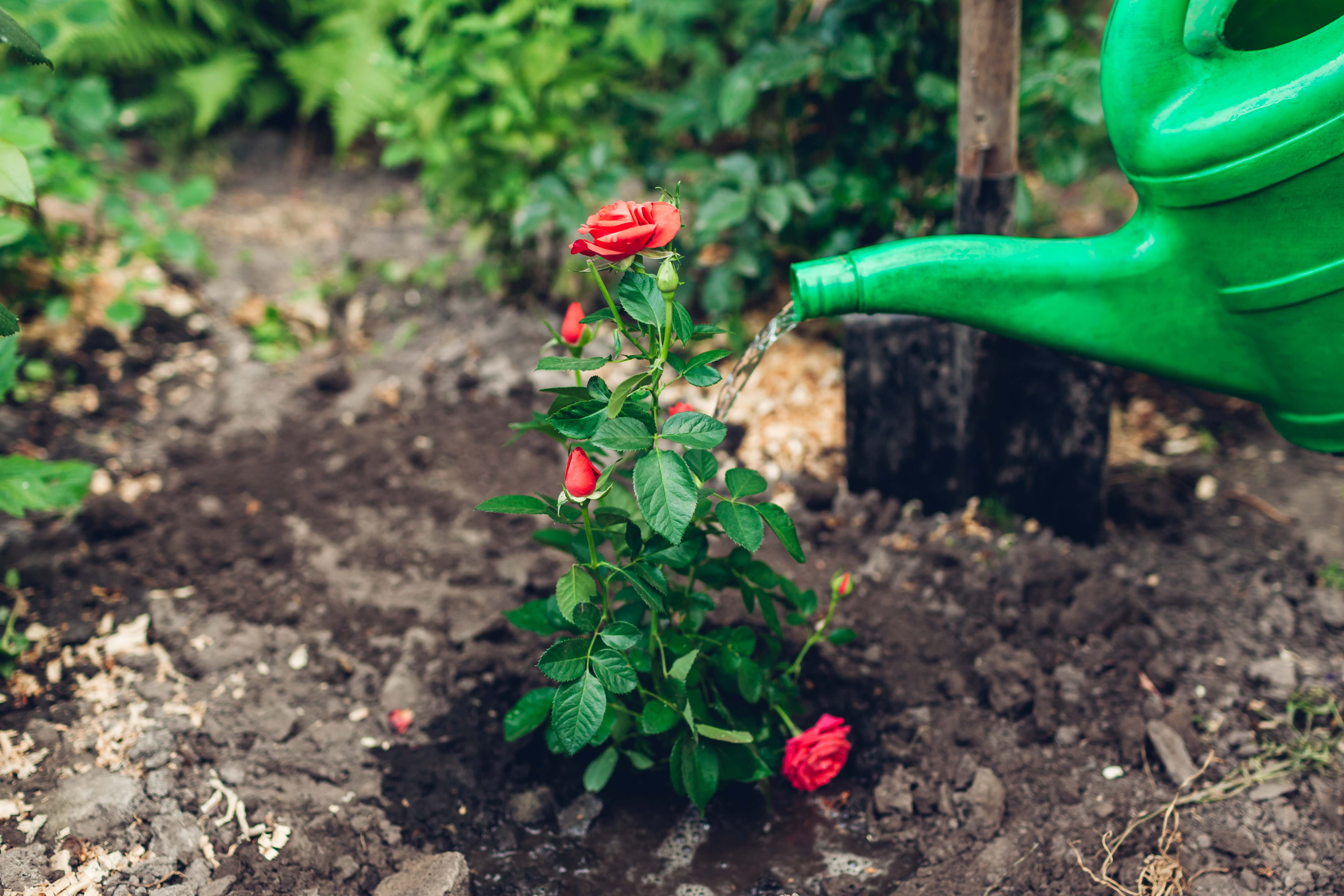
Roses are prolific growers, and all of that growth requires nutrients. Most roses are heavy feeders, requiring nutrient-rich soil to really thrive. However, they are relatively easy to care for once you know what they need.
In Part 3 of this series, we’ll explore how to fertilize roses, improve soil health, and create growing conditions that support healthy plants year after year.
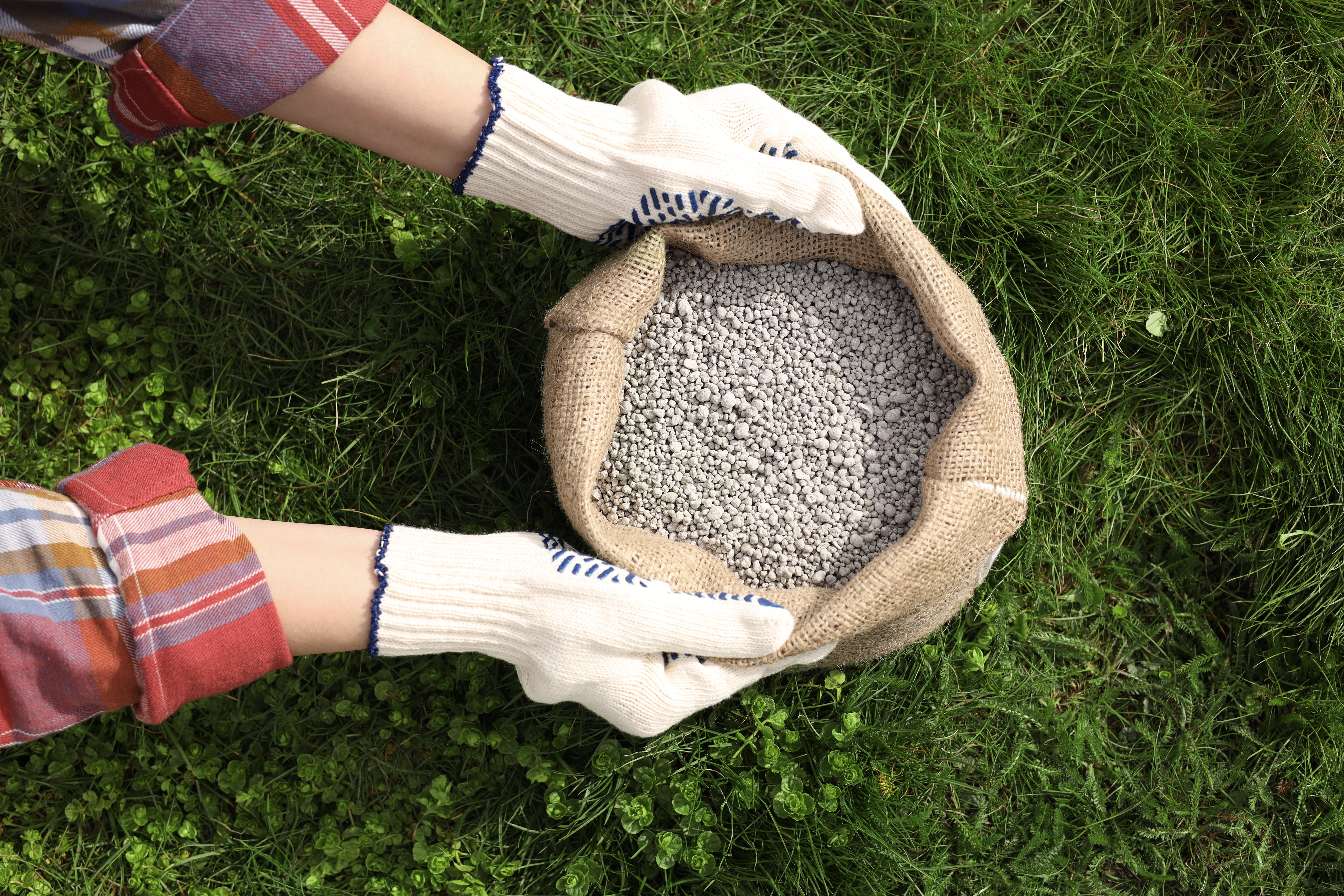
When caring for roses, it’s important to remember that there’s no ‘fits all’ method for fertilization. Different soil types, climate zones, and rose cultivars have specific needs and considerations. However, there are common themes that connect them all.
Roses in containers generally need more frequent fertilization than in-ground plants because they have access to a much smaller volume of soil and nutrients. Fertilizer is best applied in spring and summer, and shouldn’t be applied in early Fall, as new growth may not have time to become woody enough to survive winter frosts or dormancy. Newly planted roses should not be fertilized.
Here are some general fertilizing tips.
Fertilizer labels display these nutrients as an N-P-K ratio. For example, a 10-10-10 fertilizer contains equal proportions of nitrogen, phosphorus, and potassium, while a 3-1-3 fertilizer provides relatively more nitrogen and potassium than phosphorus.
Most all-purpose plant foods and fertilizers focus on these three macronutrients. An all-purpose 10-10-10 is an excellent, stress-free choice for healthy plants, and a 3-1-3 is a more tailored all-purpose blend.
You can read more on fertilizer here in this great article by Erin: Fertilizer: Beyond the Bag
It can be beneficial for roses to have a little more nitrogen in the spring to boost the growth of new canes.
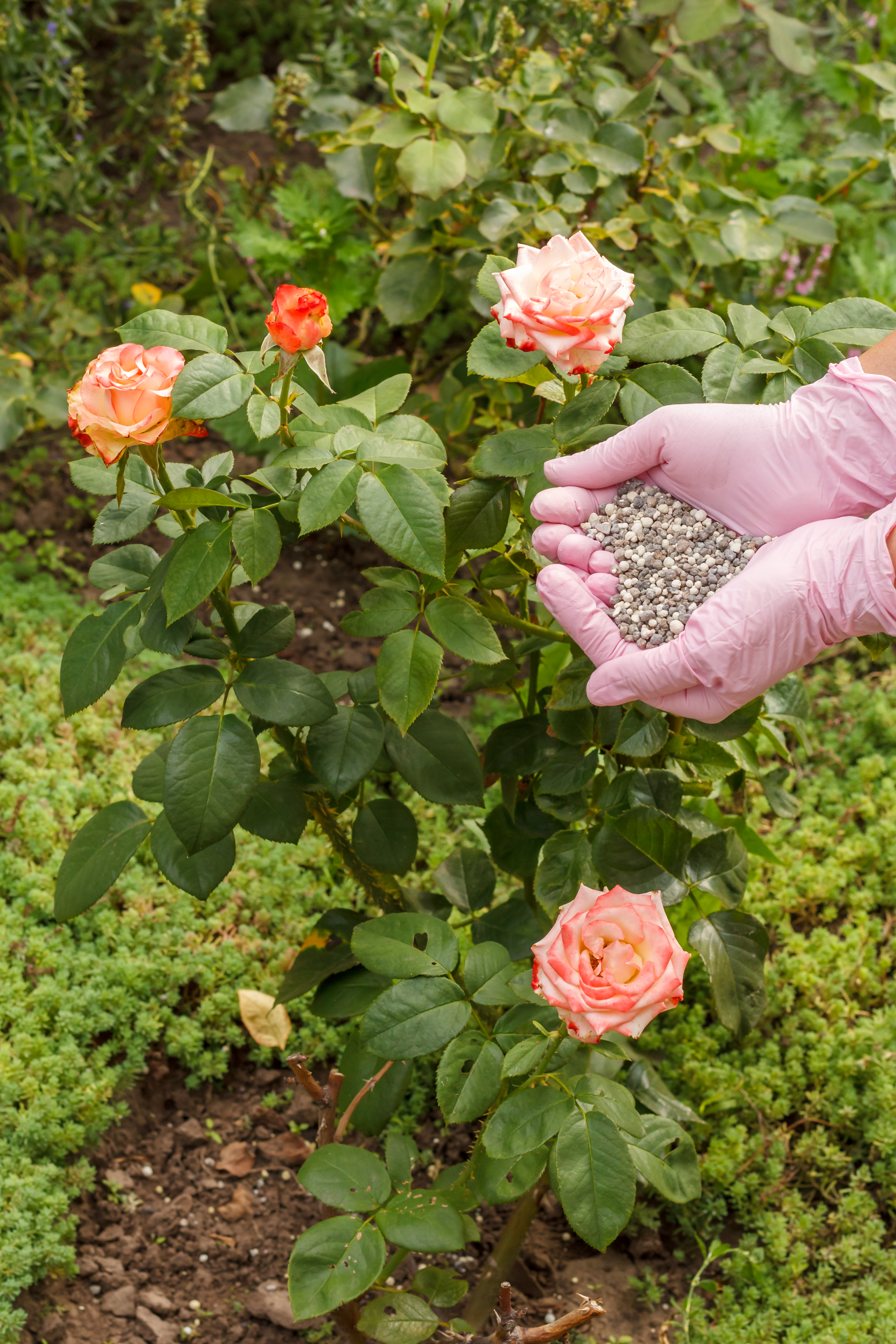
When applying fertilizer, slower-releasing options can be used around once a month during the growing season, and quicker-releasing ones every couple of weeks. Regularly add more organic material, such as mulch, leaf mold, manure, and rich compost. Always apply fertilizer below any surface mulch.
If your roses have lots of leafy growth, but few blooms, it’s likely that you’re fertilizing a little too much. Many rose plants will be very happy with an application every 6 weeks, which may mean just 2-3 applications over the course of a growing season.
Slow-release potassium fertilizer will help flowers throughout the growing season. Tomato fertilizers are particularly good for this.
These plants have access to fewer nutrients than in-ground plants, so they will need more regular fertilizing. Fortnightly fertilizing from spring to late summer will maintain vigorous growth. When flowering starts, move to fertilizer with more potassium, such as bone meal, for better blooms.
These are unlikely to need regular application, but are useful to know about.
Secondary macronutrients:
Important micronutrients:
The pH of your soil is important, as it affects the availability of different nutrients within the soil. Roses prefer a slightly acidic soil environment, usually between 6-6.5, although up to 7, or neutral, is generally fine.
In this range, most essential nutrients remain readily available to the plant, allowing roses to absorb what they need efficiently.
If the soil becomes too alkaline (above 7.0), micronutrients like iron, manganese, and zinc become locked up, and the plant will struggle to absorb them. Iron deficiency specifically causes a condition called interveinal chlorosis, where leaves turn yellow, but the veins remain green.
If the soil becomes too acidic (below 6.0), phosphorus, calcium, and magnesium become less available, resulting in weak growth and an increase in susceptibility to diseases such as blackspot.
As a general guide to raise pH, mix in agricultural lime. To lower pH, incorporate organic matter like peat moss or powdered sulfur.
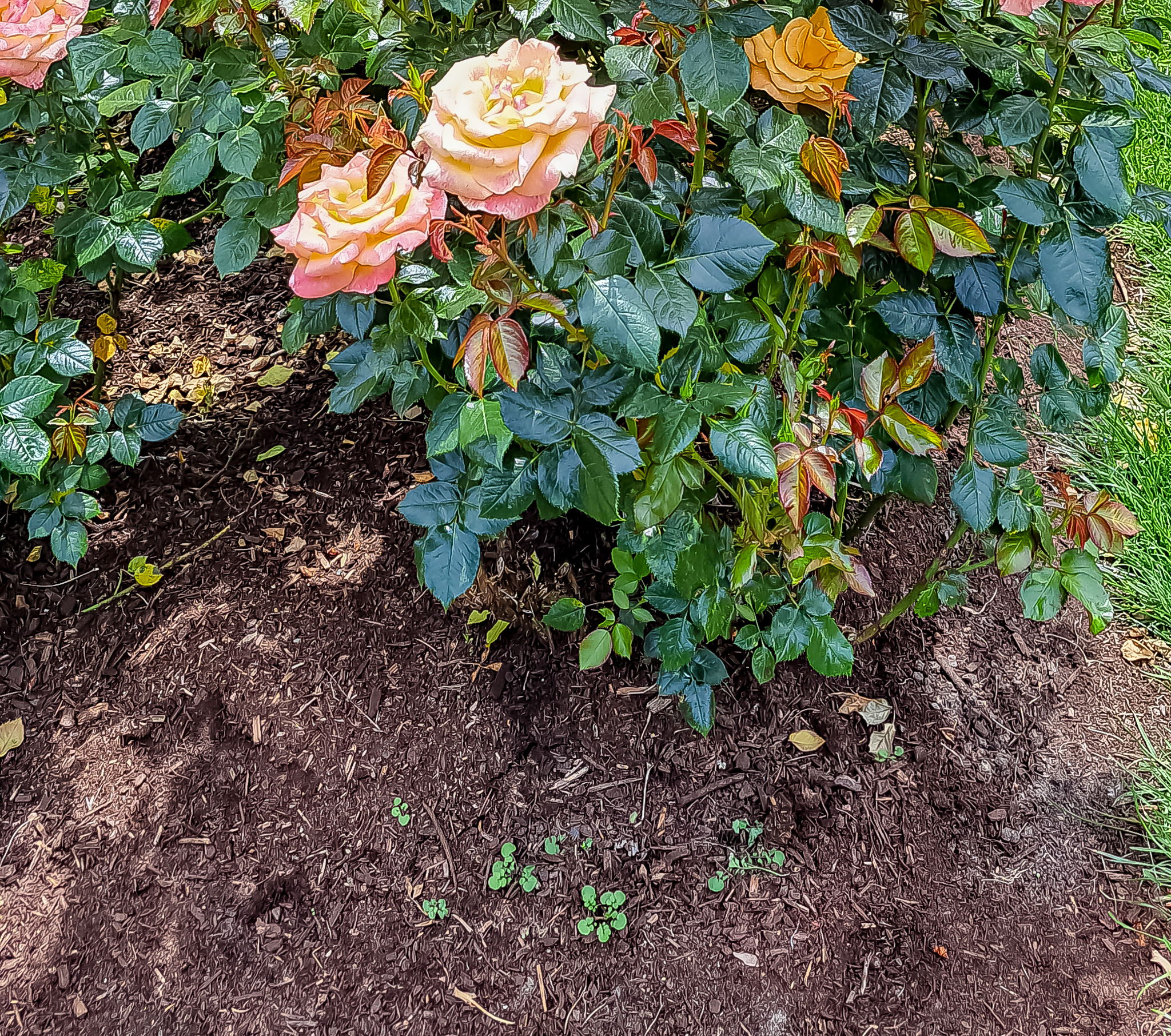
While fertilizing is beneficial for roses, it is most effective when added to a healthy and well-conditioned soil environment. Roses benefit greatly from consistency in their growing environment, and good conditioning helps with that.
Mulch will reduce water loss from the soil and help to regulate soil temperatures. Woody mulches will lock up nitrogen as they break down into the soil to begin with, so additional fertilizing may be necessary in the springtime when growth is vigorous.
As mulch decomposes, it contributes organic matter that gradually improves the structure of heavy clay soils.
Rich compost and manure improve soil structure, fertility, and moisture retention without becoming waterlogged. This should be applied at least yearly.
Very sandy soils, common to more arid environments, will need heavy amendment with organic material, and very heavy clay soils generally benefit most from repeated additions of compost and organic matter over time.
Feeding the soil is perhaps more important than feeding the plant, so soil amendments such as alfalfa meal or slow-release fish fertilizer, which break down slowly over the growing season, are wonderful ways to keep the soil healthy by feeding soil microbes and reducing the need for supplemental fertilizer applications.
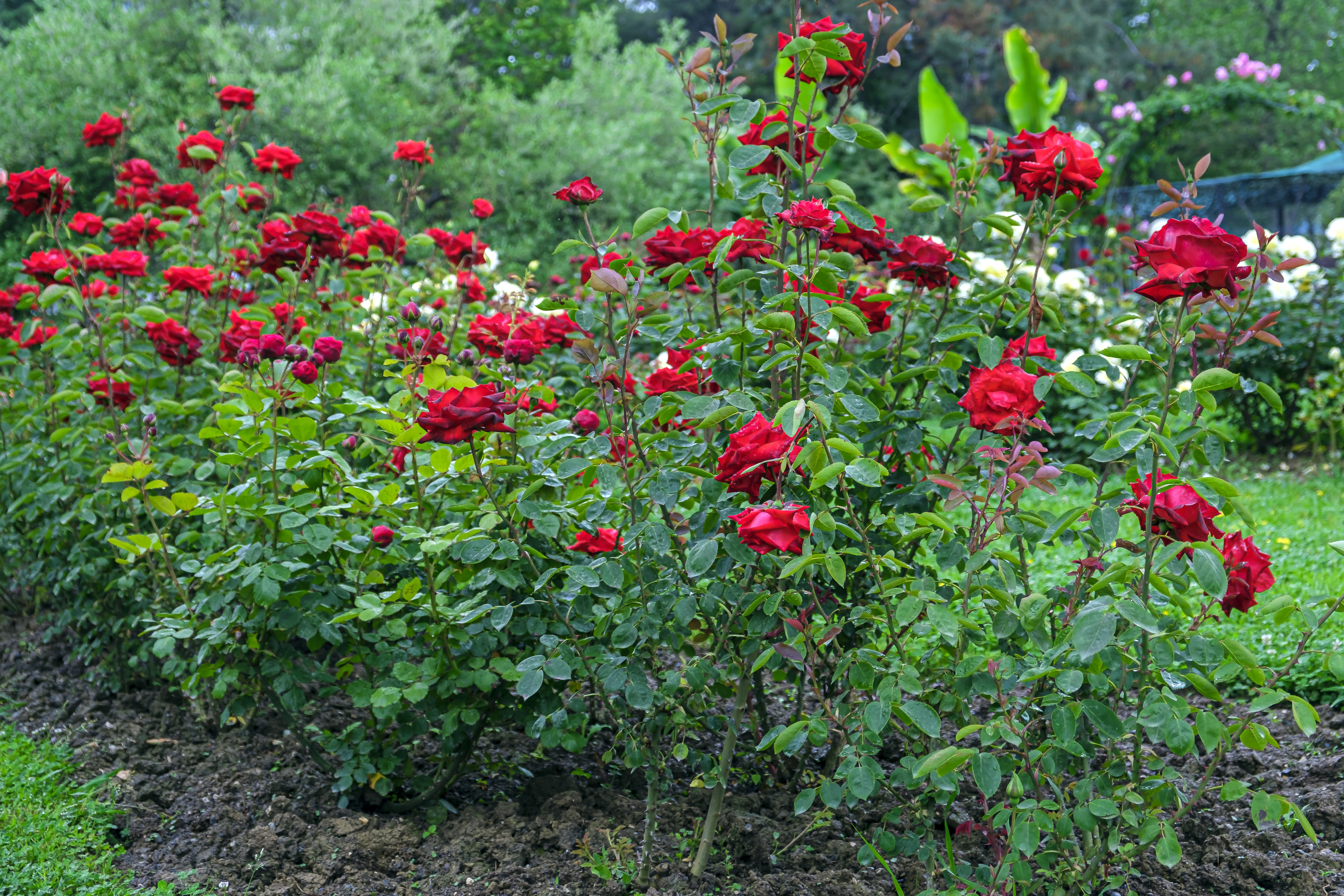
Maintaining healthy soil and providing the right nutrients is one of the most effective ways to keep roses vigorous, resilient, and floriferous. By paying attention to fertilization, soil pH, and organic matter, you can create growing conditions that support strong growth and abundant blooms for years to come.
In the next article, we’ll look at pruning roses and how proper pruning can improve plant health, shape, and flowering performance.