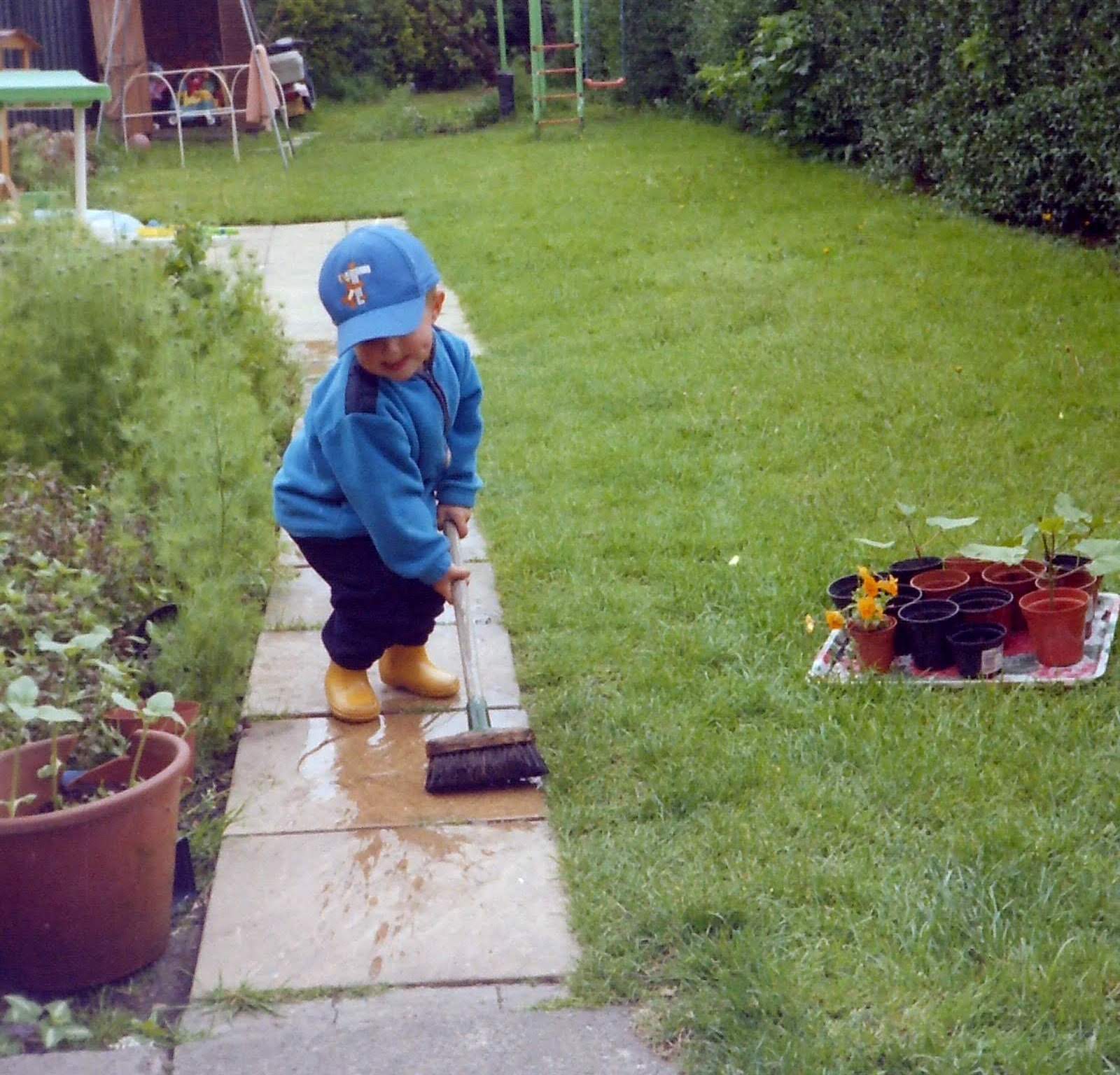
I’m Sam! I grew up in the UK and now live in the desert Southwest of the USA. When I’m not indoors, I’m outdoors, and I try to be there as much as possible. Growing flowers is my greatest gardening passion, but I won’t say no to some raspberries, strawberries, tomatoes, beans, or leafy greens.
I have a certificate in landscape design and have been gardening for over 15 years, from small home gardens to large formal gardens and kitchen gardens.
My current garden is quite small, so I’m experimenting with growing cactus from cuttings, as they’re particularly resilient to heat and aridity. Cactus fruit makes great syrup, too, though I have yet to produce my own.
I also have some tomatoes and peppers on the go this year as well as some amaranth and loofa ready to plant (2025).
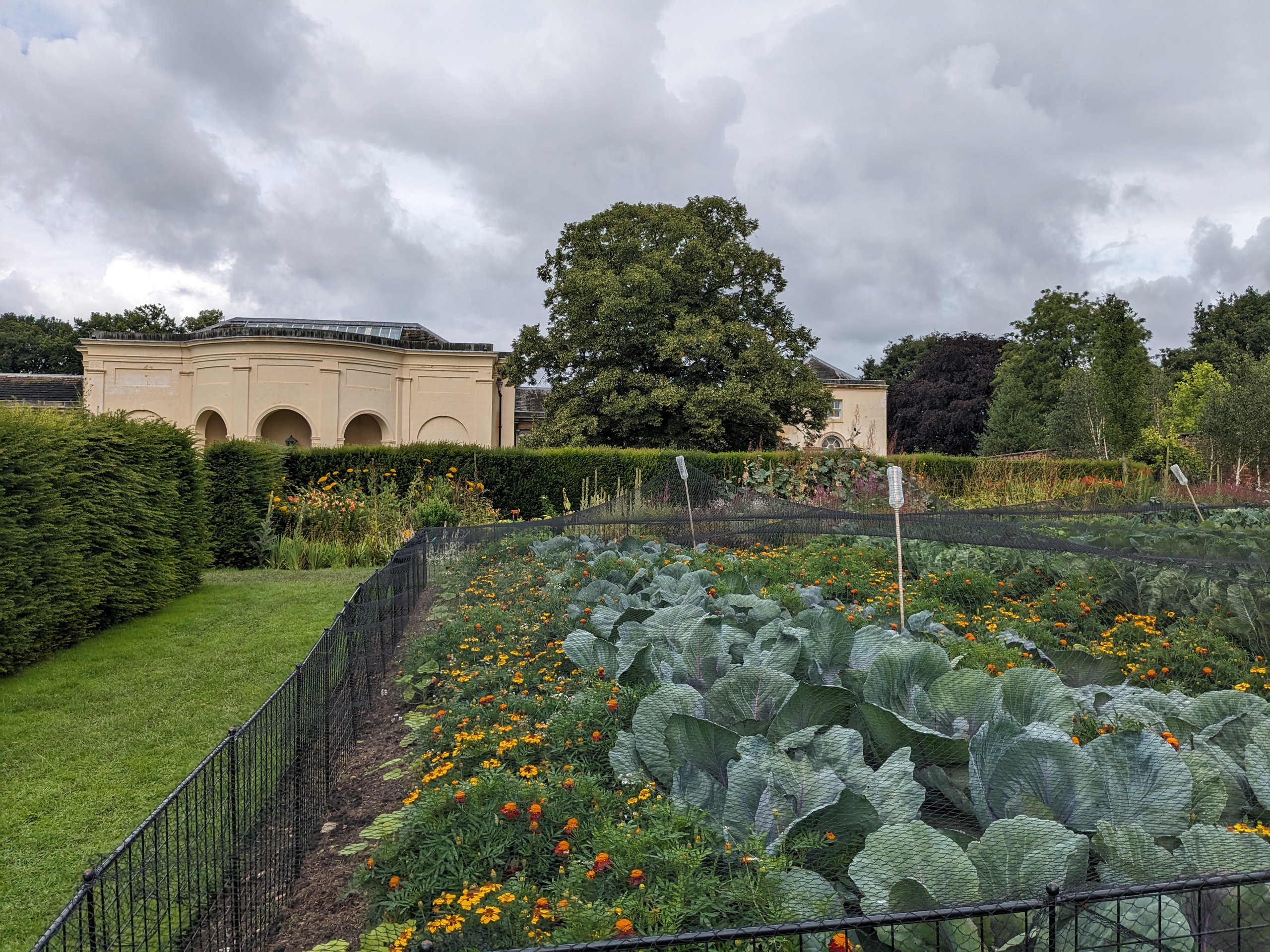
A kitchen garden I helped to plant and maintain a few years ago as a volunteer.
Outside of gardening, you can find me hiking, snapping photos with film cameras (possibly repairing them), or undertaking a design project.
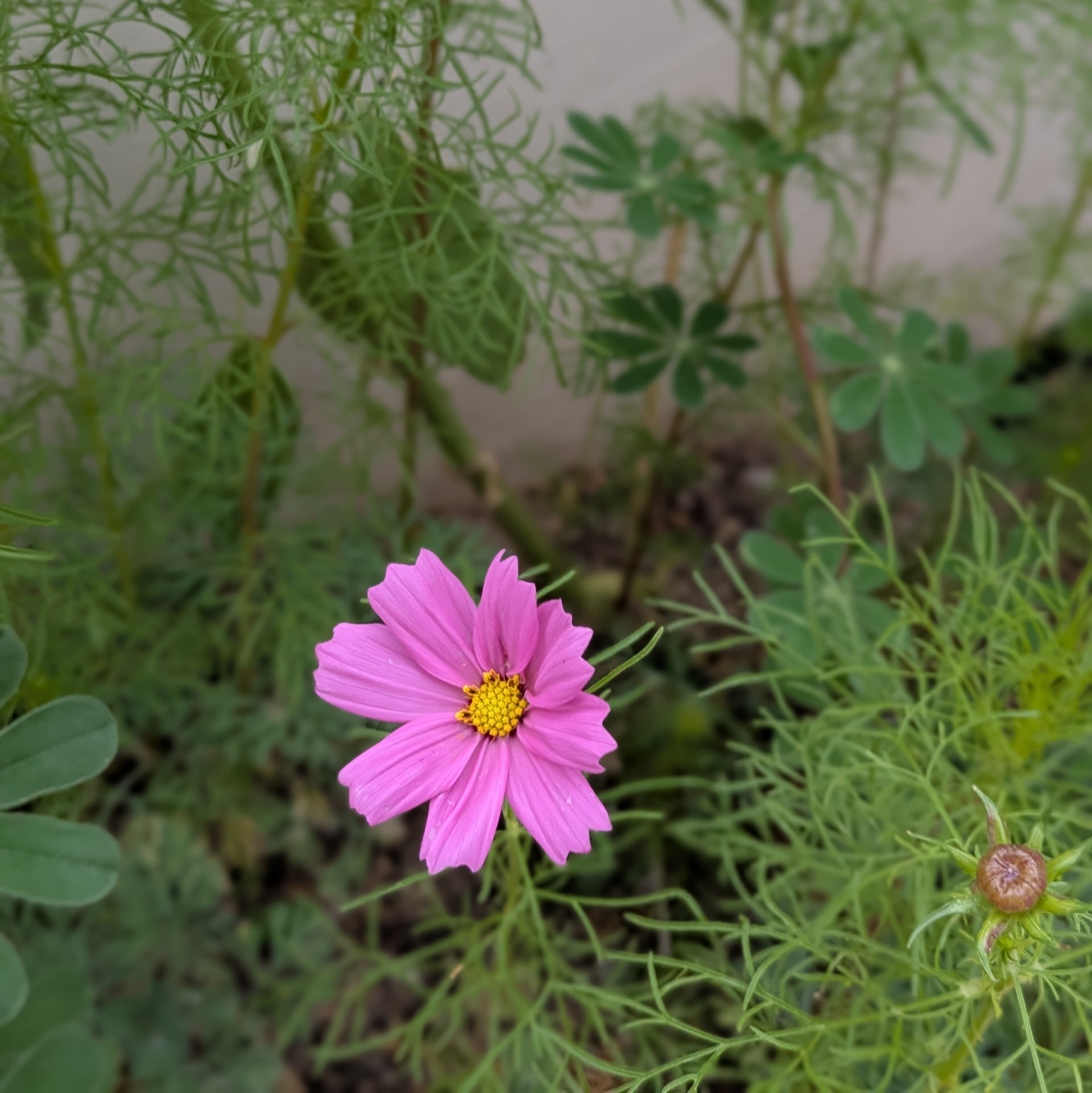
Bulb Blindness
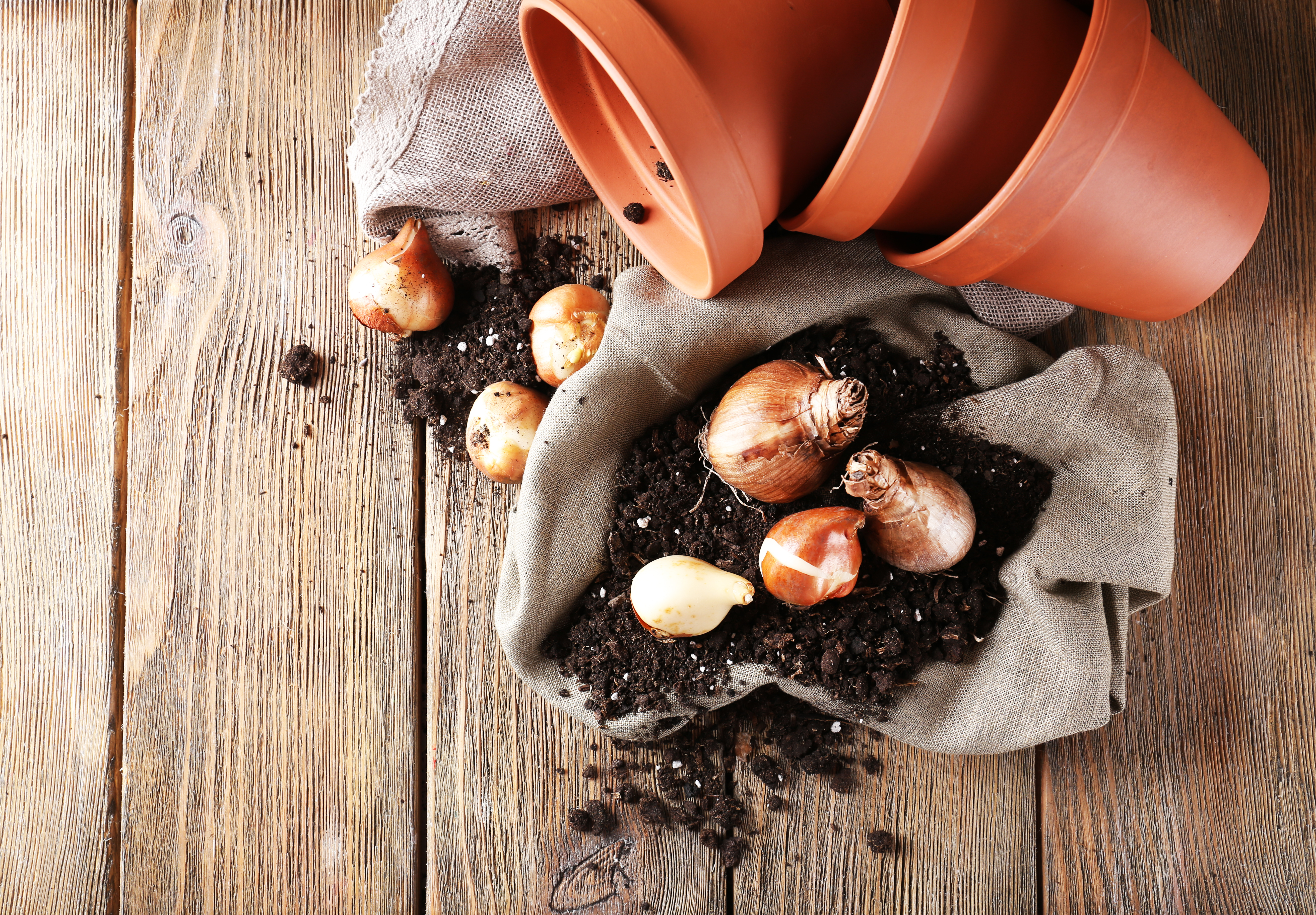
If some of your bulbs came up this year without flowers, they may be suffering from a condition called bulb blindness. The green foliage means the bulb is still alive, but it lacks the energy to produce flowers.
This can happen for several reasons. Thankfully, many of these are easily fixed in time for next year’s blooms, so your garden can stay looking colorful and healthy. In this article, we’ll dive into the science and then look at the common causes and ways to manage the problem....
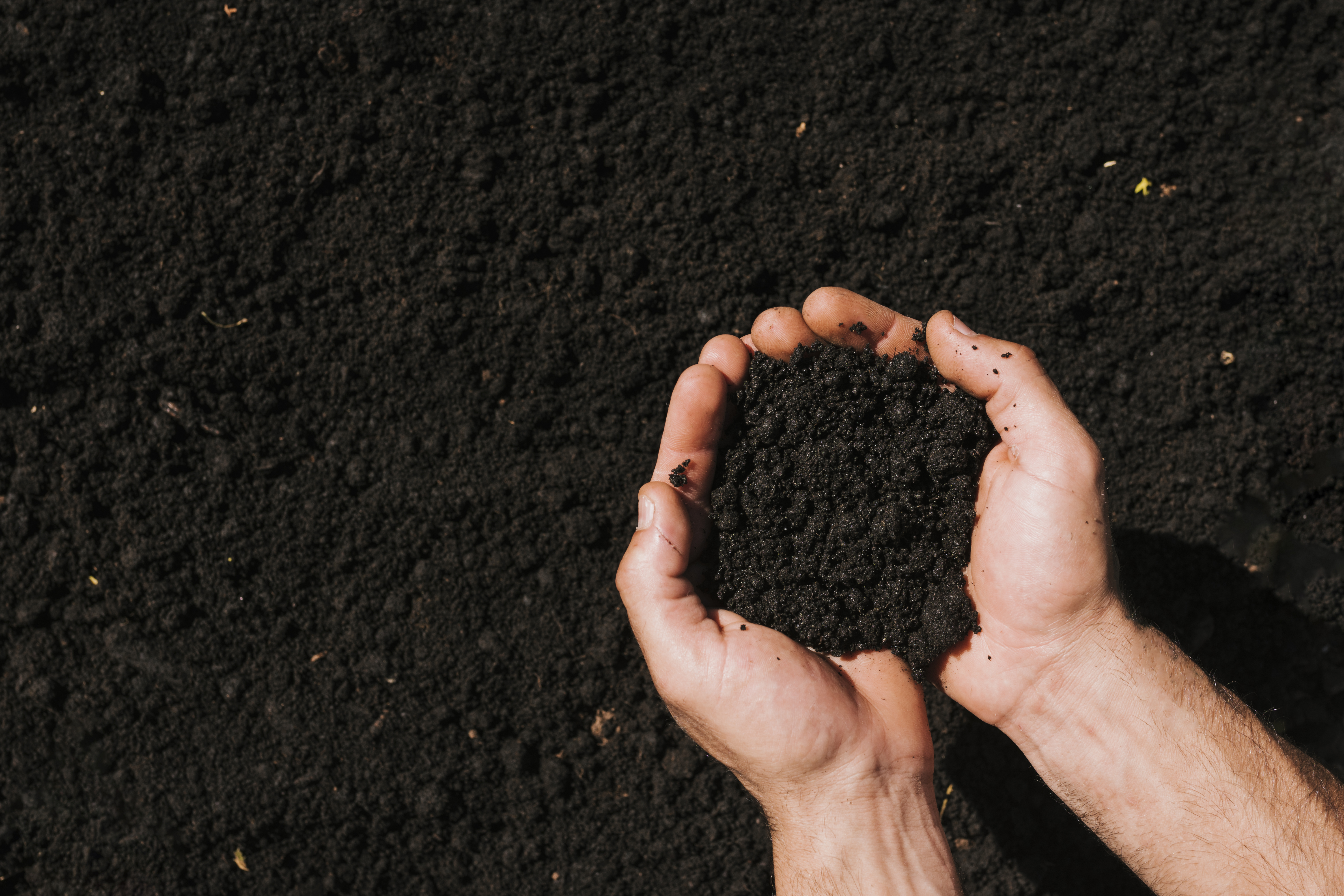
Hydrophobic Soil: Causes and Fixes
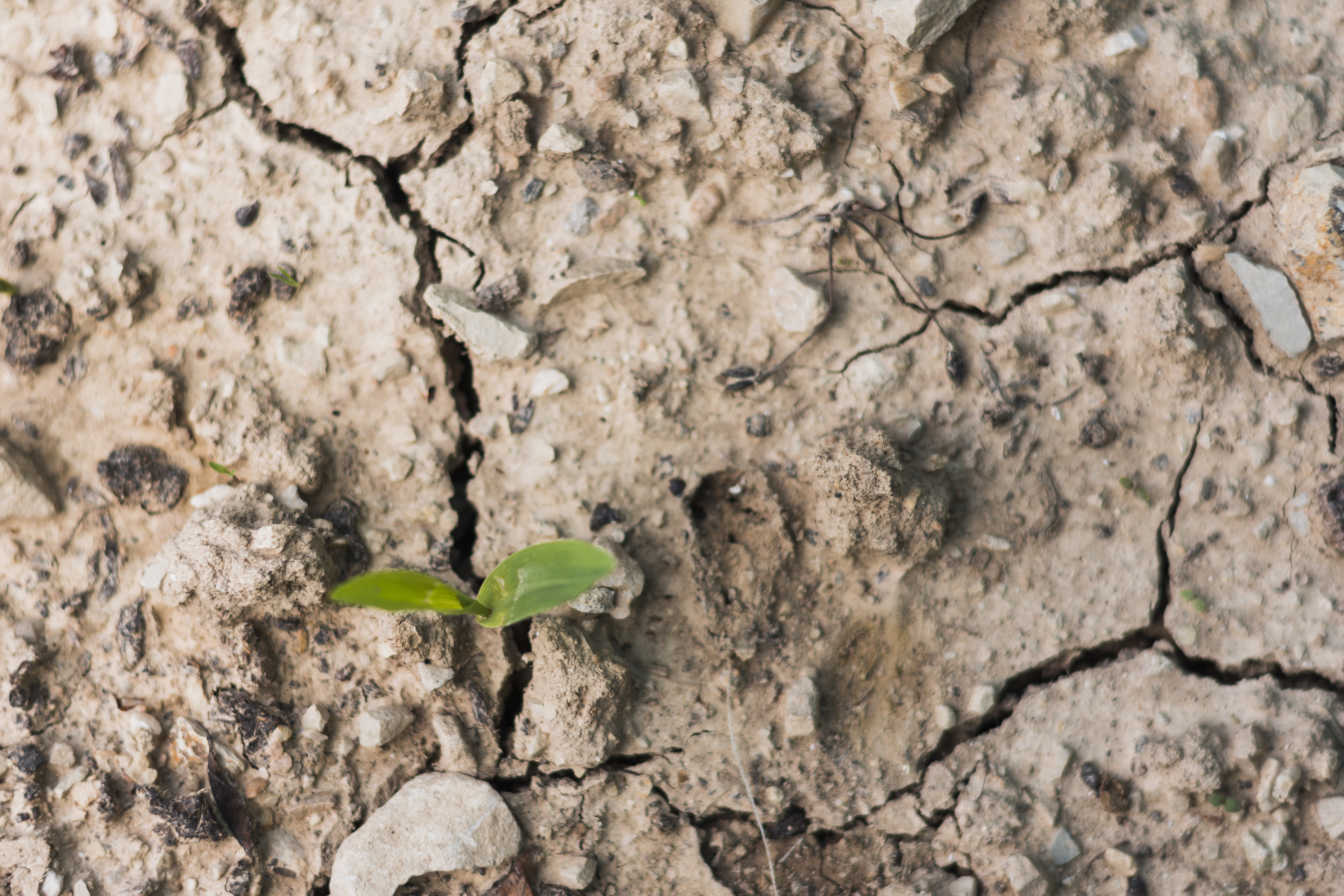
If you’ve ever come to water your garden and found that the soil is bone dry and hard like a brick, has pulled away from the sides of a raised bed or pot, and repels water better than your raincoat, then it’s highly likely that your soil has become hydrophobic. Hydrophobic soil, or soil that doesn’t want to mix with water (literally, the soil is afraid of water), is troublesome because it reduces the amount of water available for plants to take up through their roots....
Pruning Roses
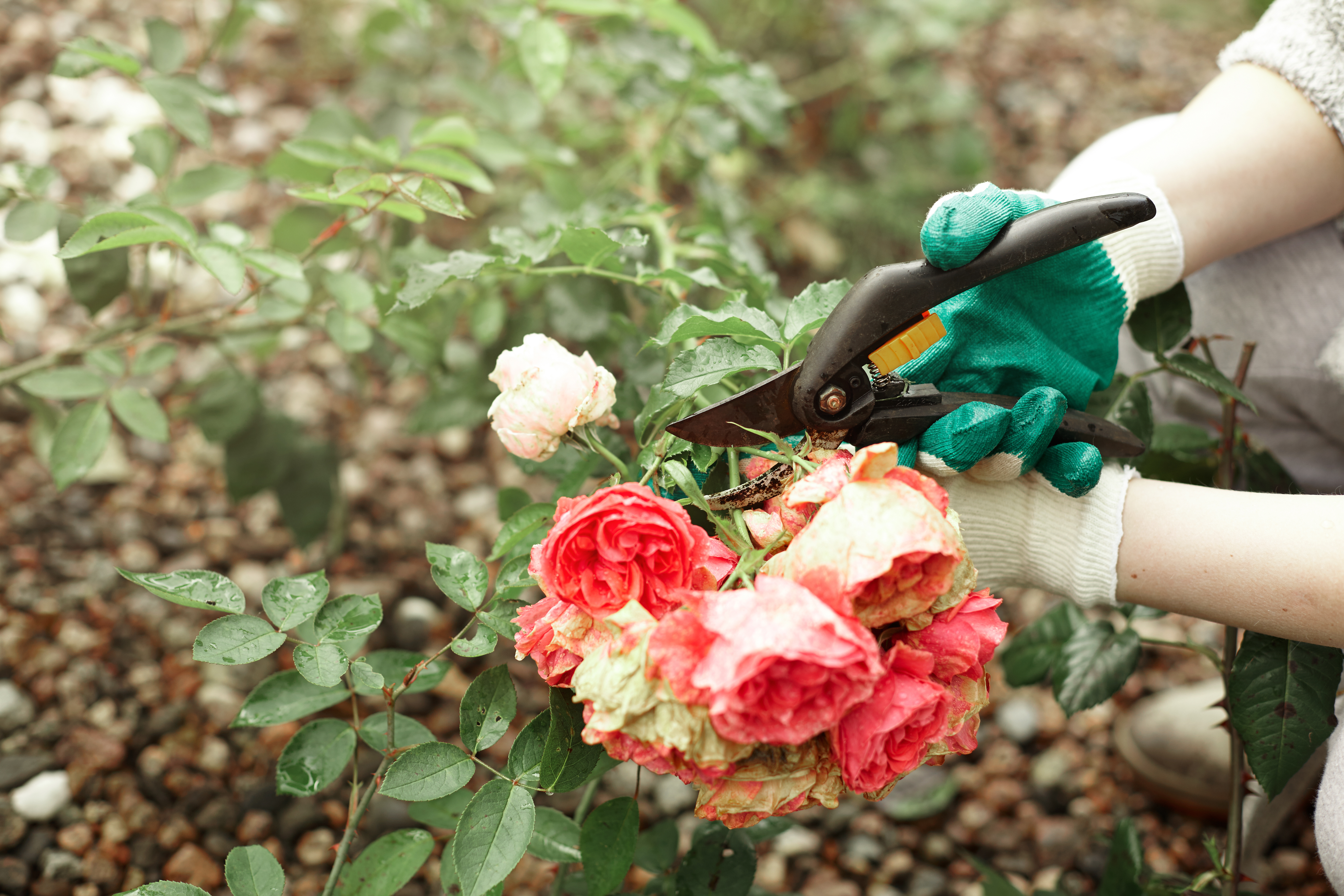
Pruning is an essential part of woody plant care, helping to remove dead, diseased, and damaged growth while encouraging healthy structure and vigorous new growth. In roses, proper pruning can improve airflow, reduce disease pressure, and promote strong flowering.
In Part 4 of this series, we’ll look at how to prune roses, when to prune them, and what to watch for so your pruning efforts set your plants up for success....
Feeding and Soil Care for Roses
Roses are prolific growers, and all of that growth requires nutrients. Most roses are heavy feeders, requiring nutrient-rich soil to really thrive. However, they are relatively easy to care for once you know what they need.
In Part 3 of this series, we’ll explore how to fertilize roses, improve soil health, and create growing conditions that support healthy plants year after year.
Nutrients When caring for roses, it’s important to remember that there’s no ‘fits all’ method for fertilization....
Planting Roses: Tips for Success
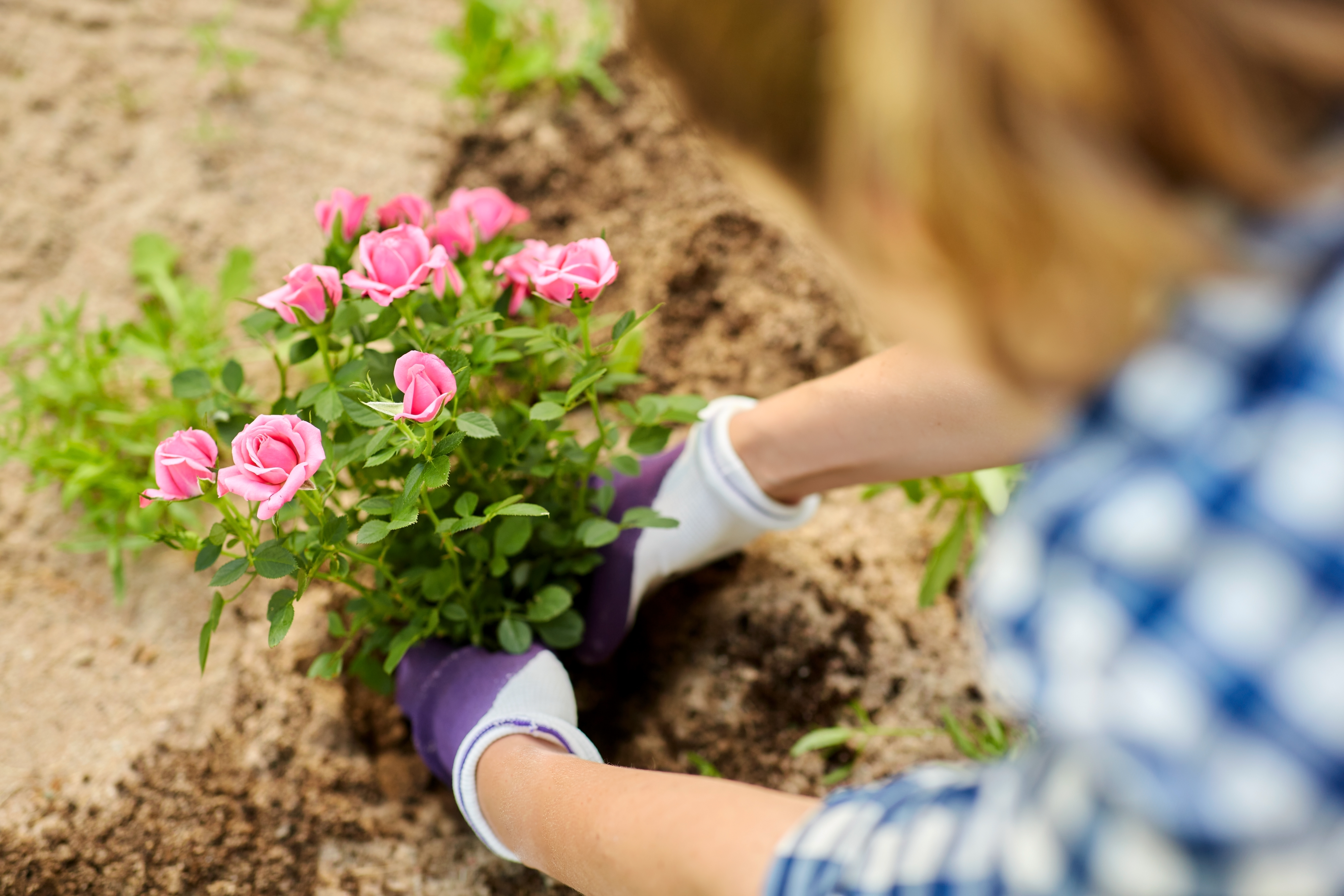
Roses can be a little unforgiving if planted incorrectly or at the wrong time. However, when they get established, they grow a strong, deep root system, making them particularly resilient plants once they’ve settled in.
In this article, we’ll cover how to plant roses and the steps to care for them post-planting so that your roses can overcome transplant shock and establish as strong plants quickly.
Choosing a Healthy Rose The first step to a successful planting is having a good rose plant....
An Intro to Roses: Choosing and Caring for Healthy Plants
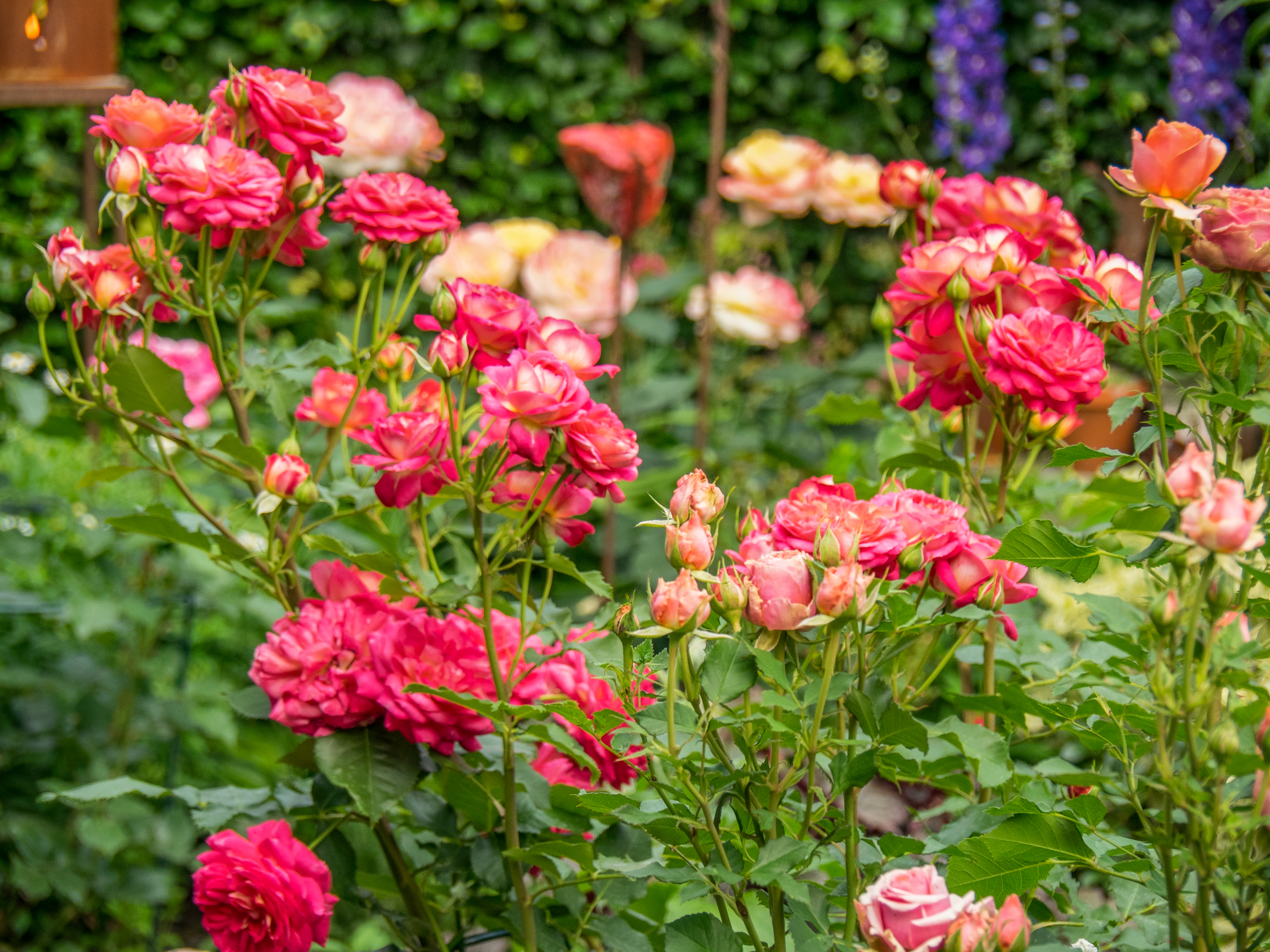
Roses are among the most beloved garden plants in the world. With hundreds of natural species and more than 30,000 cultivated varieties, they offer an incredible range of colors, shapes, and fragrances. A quick look at this diversity makes it easy to understand why roses have captured people’s imaginations for centuries.
While roses require regular care, the effort is well worth it. A consistent maintenance routine encourages vigorous growth, abundant flowering, and greater resistance to common pests and diseases....
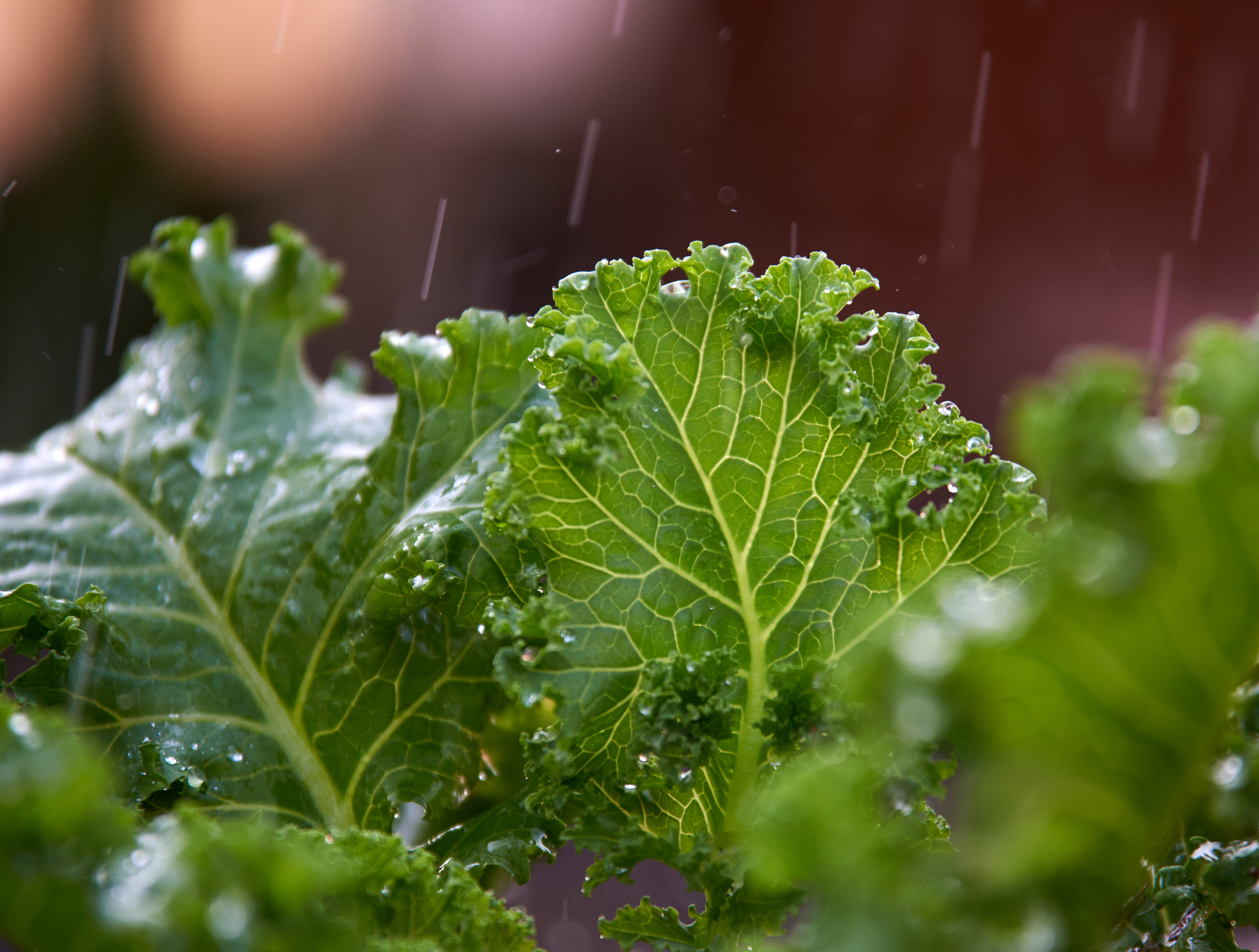
What Rain Does That Irrigation Can’t: Soil, Microbes, and Plant Response
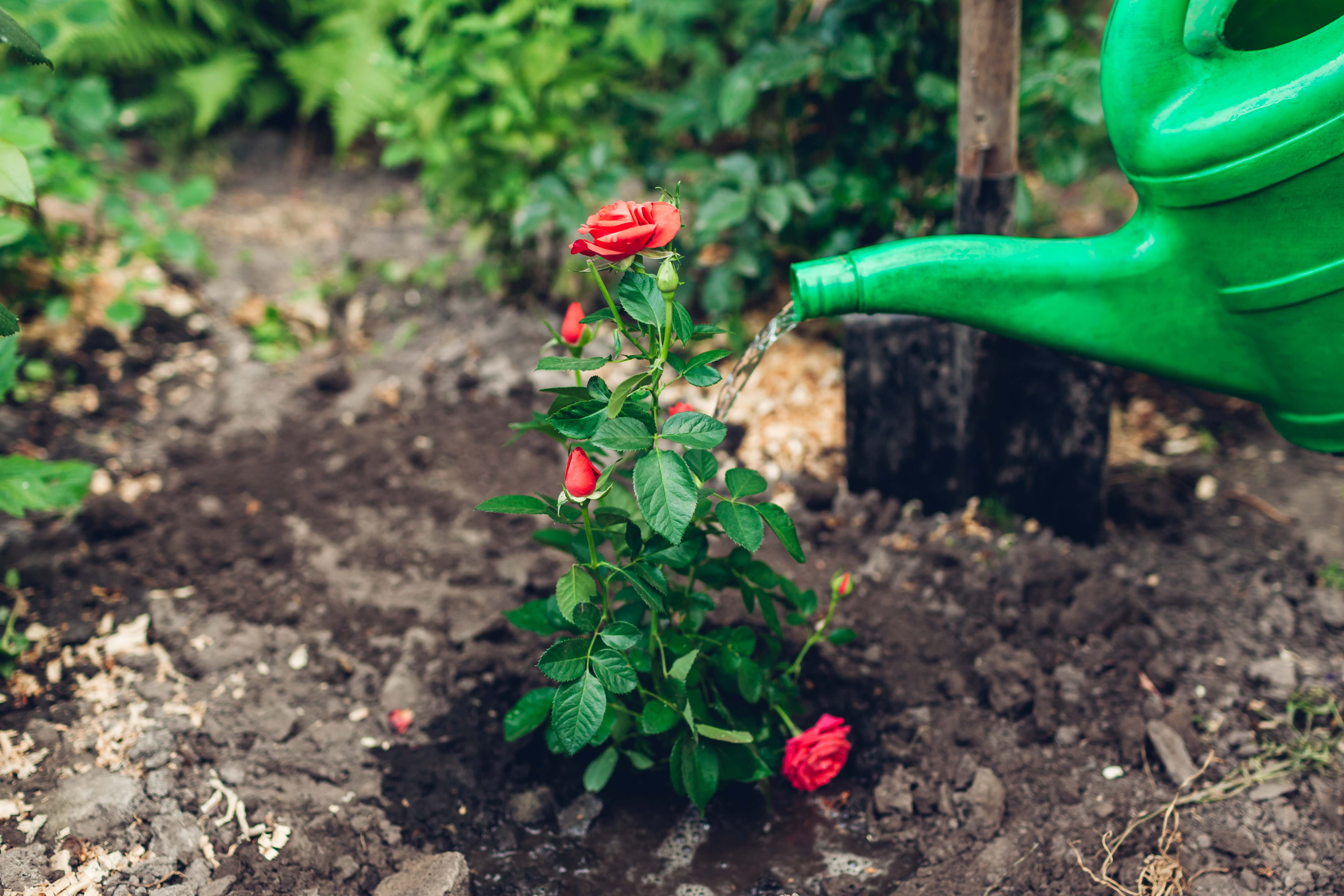
Plants need water to grow, and because the weather is unpredictable at the best of times, supplemental irrigation is often needed for a good harvest and is essential in desert areas. However, you may have noticed that after a good rainfall, your garden seems to go through a growth spurt. In this article, we’ll break down the differences between rainwater and irrigation water, why rainwater does so much, and how storing rainwater can deliver some of the benefits....
Soil Conditioning vs Soil Rejuvenation. Understanding What Your Garden Needs
Soil problems can be difficult to diagnose. When plants struggle, it is not always obvious whether the problem is poor drainage, low organic matter, compaction, exhausted biology, or some combination of these.
Most soil improvements fall under the broad category of soil amendments, but these amendments generally serve two very different purposes: conditioning and rejuvenation.
Put simply, is your soil biologically active but physically unsuitable for plant growth? Is it structurally sound but biologically depleted?...
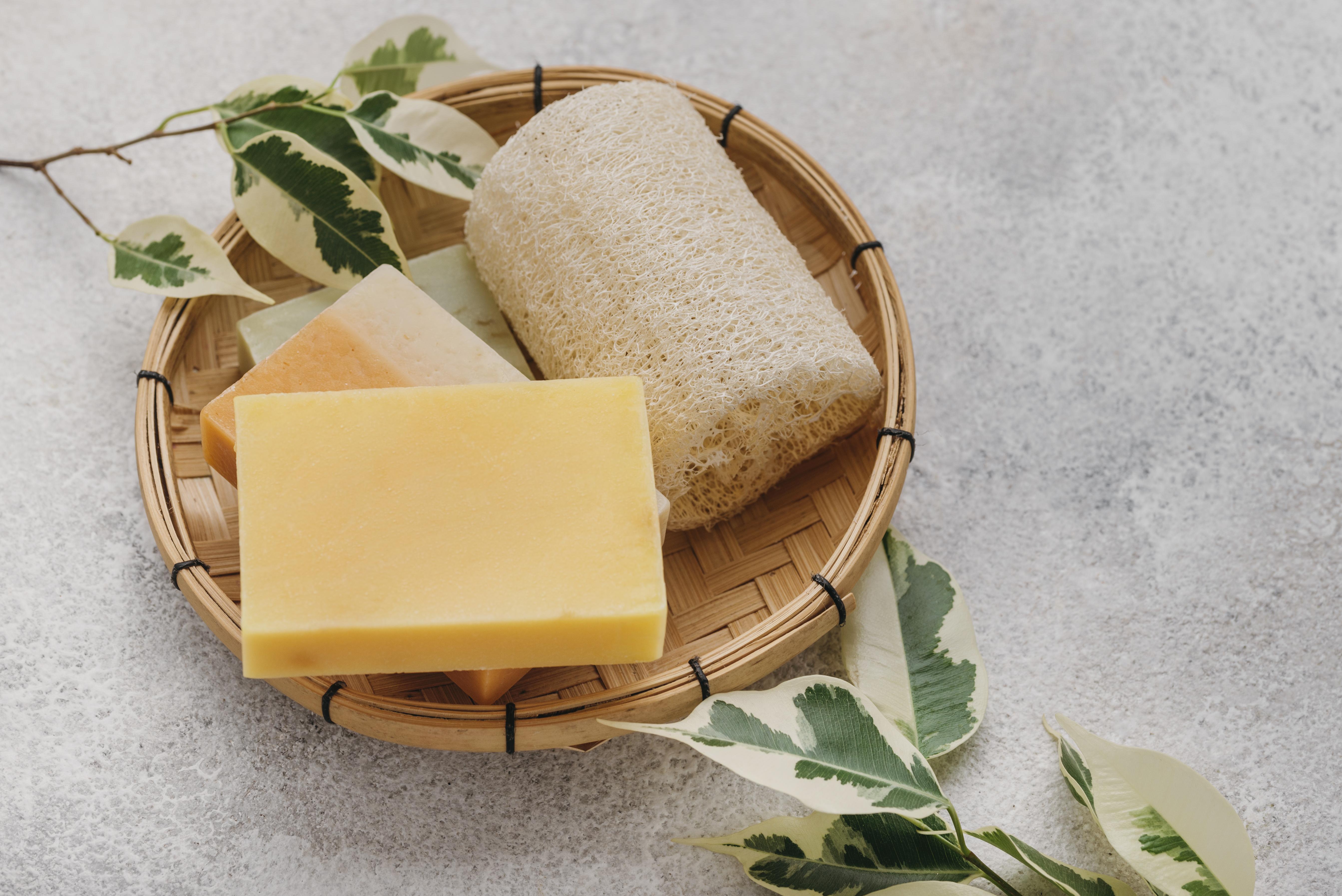
Grow Your Own Sponges, Soap, Rope, Containers, and More
Gardens can be more than places to grow food and flowers, although these will always bring me joy. Many plants offer practical uses in cleaning, crafting, storing, and even building everyday household items.
In this article, we’ll introduce five plants that are well-suited to home gardens, depending on climate, and how they can be processed into useful tools and materials.
Luffa Luffa (also spelled loofah) is an annual vining gourd in the cucumber family....
Sam's Garden Update. Entry 1 of 2026
It’s been a warm winter. I didn’t keep an exact count of the frosts, but there were only about half as many as last year, and though the rain started out good, it dropped off rather quickly, and we’re already below average for the year. Here’s hoping for a good monsoon season. As for what I’ve been up to, here’s a snapshot.
I trimmed all the trees this winter. I’ve been working on my skills and trying to keep the trees more ‘full’ looking while still being safe and accessible for me and for the birds; there are a couple of nests this year....