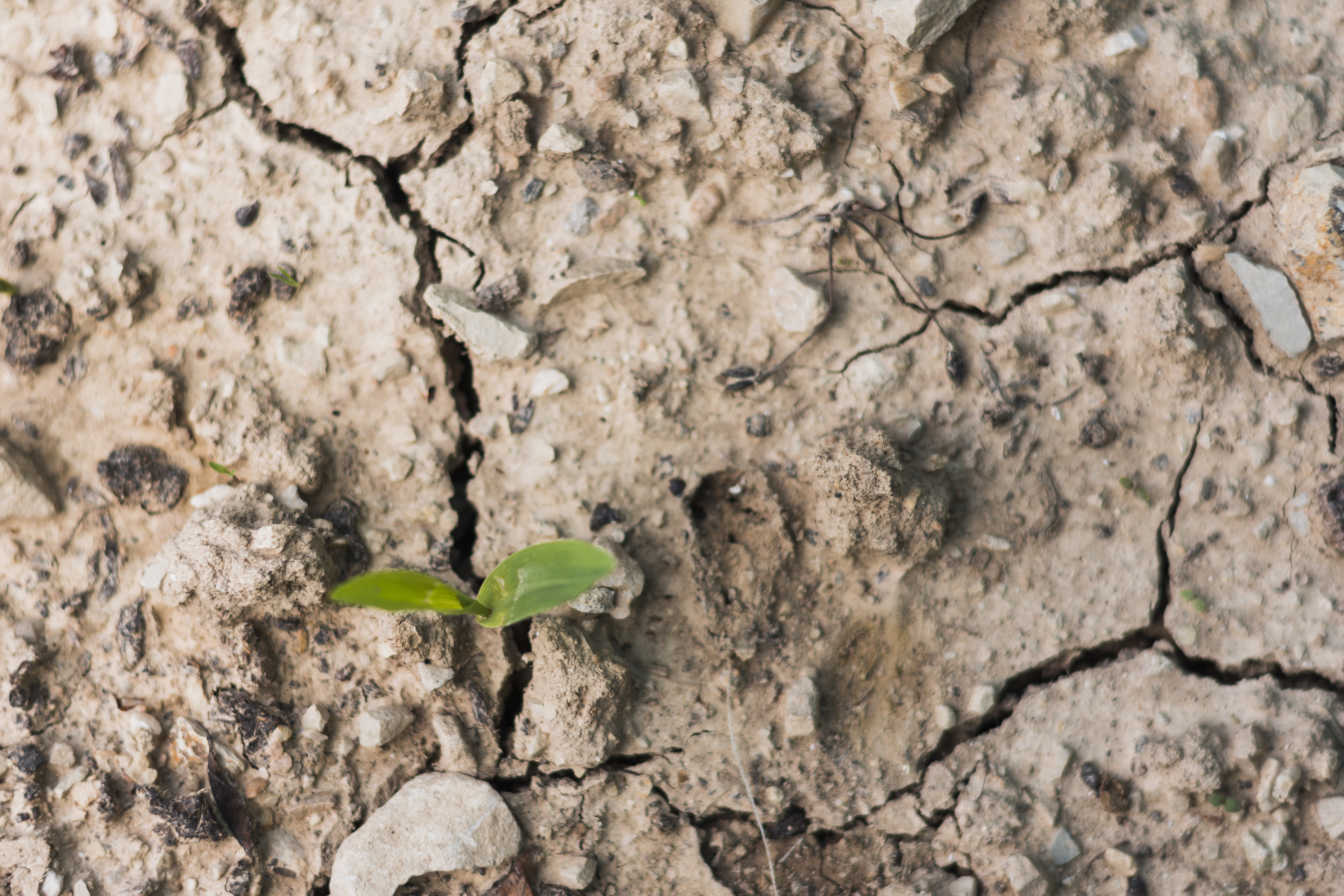
If you’ve ever come to water your garden and found that the soil is bone dry and hard like a brick, has pulled away from the sides of a raised bed or pot, and repels water better than your raincoat, then it’s highly likely that your soil has become hydrophobic.
Hydrophobic soil, or soil that doesn’t want to mix with water (literally, the soil is afraid of water), is troublesome because it reduces the amount of water available for plants to take up through their roots.
In this article, we’ll discuss how soils become hydrophobic, how to fix them, and then how to maintain them to reduce the likelihood of a recurrence.
How Do I Know if my Soil is Hydrophobic?
Your soil is likely hydrophobic if:
- Water beads on the surface instead of soaking in.
- Water runs down the sides of pots rather than through the root ball.
- Soil has shrunk away from the edges of containers or raised beds.
- The surface remains dry while the soil beneath is patchy or unevenly moist.
- Plants wilt quickly despite frequent watering.
The Why
Soil becomes hydrophobic when waxy organic compounds coat the surface of soil particles. These compounds can build up naturally as plant material decomposes, particularly after long dry periods. In good conditions, there is enough decomposition to keep these waxy compounds in balance. Additionally, soils high in peat moss and similar materials will become hydrophobic when they dry out, as the very thing that helps them retain moisture also makes them difficult to rewet.
This effect is more common in sandy soils and soils high in peat moss, as well as in hot and dry environments. Potting soil is a common culprit, and plants in containers can be particularly vulnerable as they have less space to spread their roots to search for water.
The Fix
To get water back into the soil, the soil needs to be amended in some way to alter its properties. Conditioning the soil will improve the physical structure, and rejuvenation will help with the microbial activity.
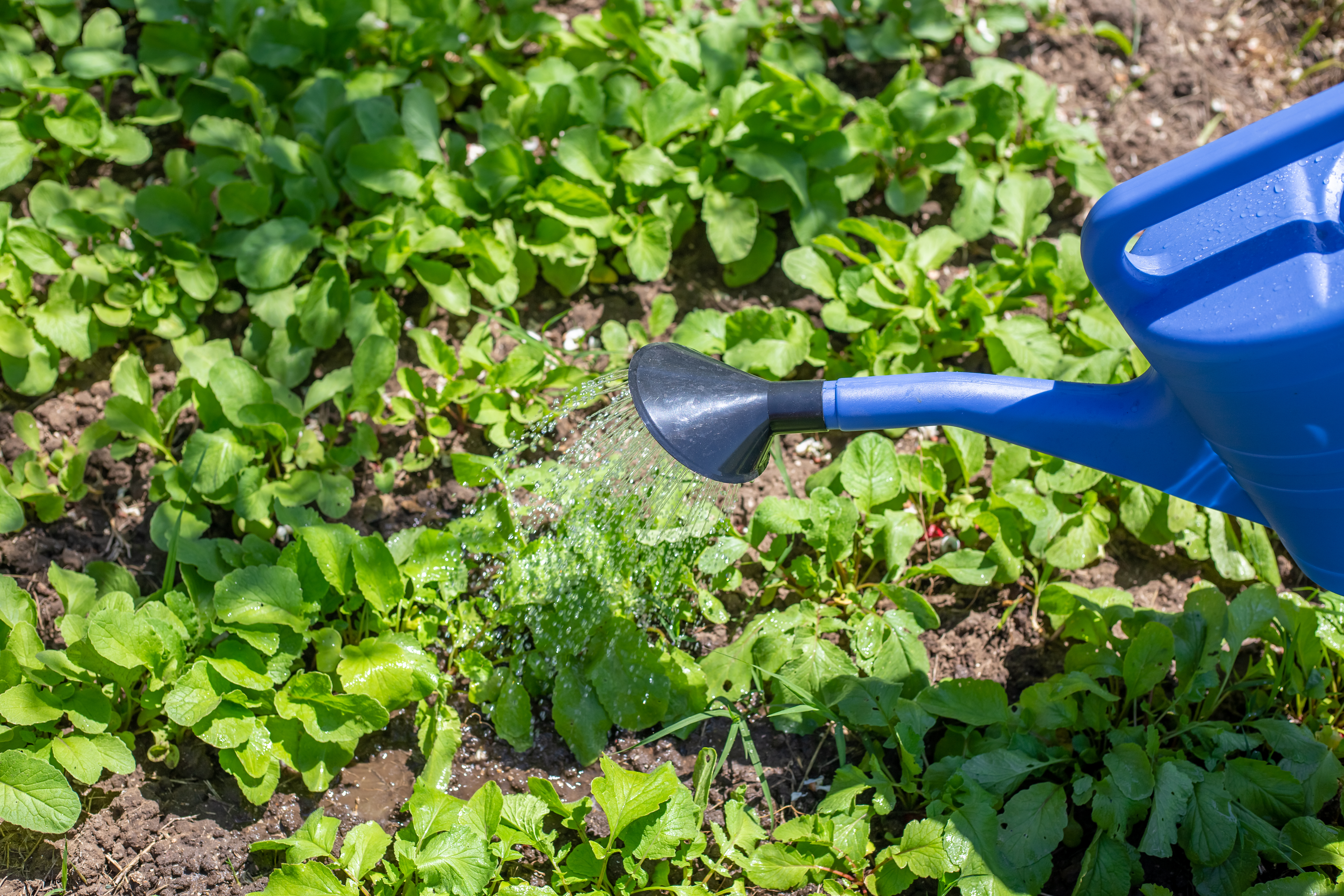
Hydrophobic soil often cannot absorb a large volume of water all at once. Instead, apply several light waterings over 15–30 minutes, allowing each application to soak in before adding more. For smaller containers, you can soak the pot in a bucket of water for 20–30 minutes.
Wetting Agents
Wetting agents, a type of surfactant, can be added to the soil to break the surface tension of water and help it to soak in. While traditionally petroleum-based (which can pollute the environment), there now exist biodegradable options.
Natural saponins, soap-like compounds found in plants such as Yucca, and organic humectants are available, and you can make your own at home from seaweed or using compost.
You can read more about compost teas and other fertilizers here: Compost Teas
Improving Soil Structure
Physically aerating the soil by working a garden fork gently into the top 6 inches of soil creates channels for water to penetrate and breaks up the hydrophobic layers. This is a simple and immediate fix and is particularly useful for garden beds where the soil has pulled away from the edges.
For a longer-term improvement, introducing earthworms into the soil is highly effective. As they move through the soil, worms create a network of channels and passages, and their castings are rich in beneficial microbes that help restore the biological activity that hydrophobic soils lack. Worms also help to break down organic matter, further improving soil structure over time.
Prevention
Stopping your soils from becoming hydrophobic is always best, especially as it can be difficult to see when they are declining. I’ve personally had soil look fine one day and then become hydrophobic after one hot afternoon, which meant there were underlying conditions already pushing the soil that way.
Soil Conditions
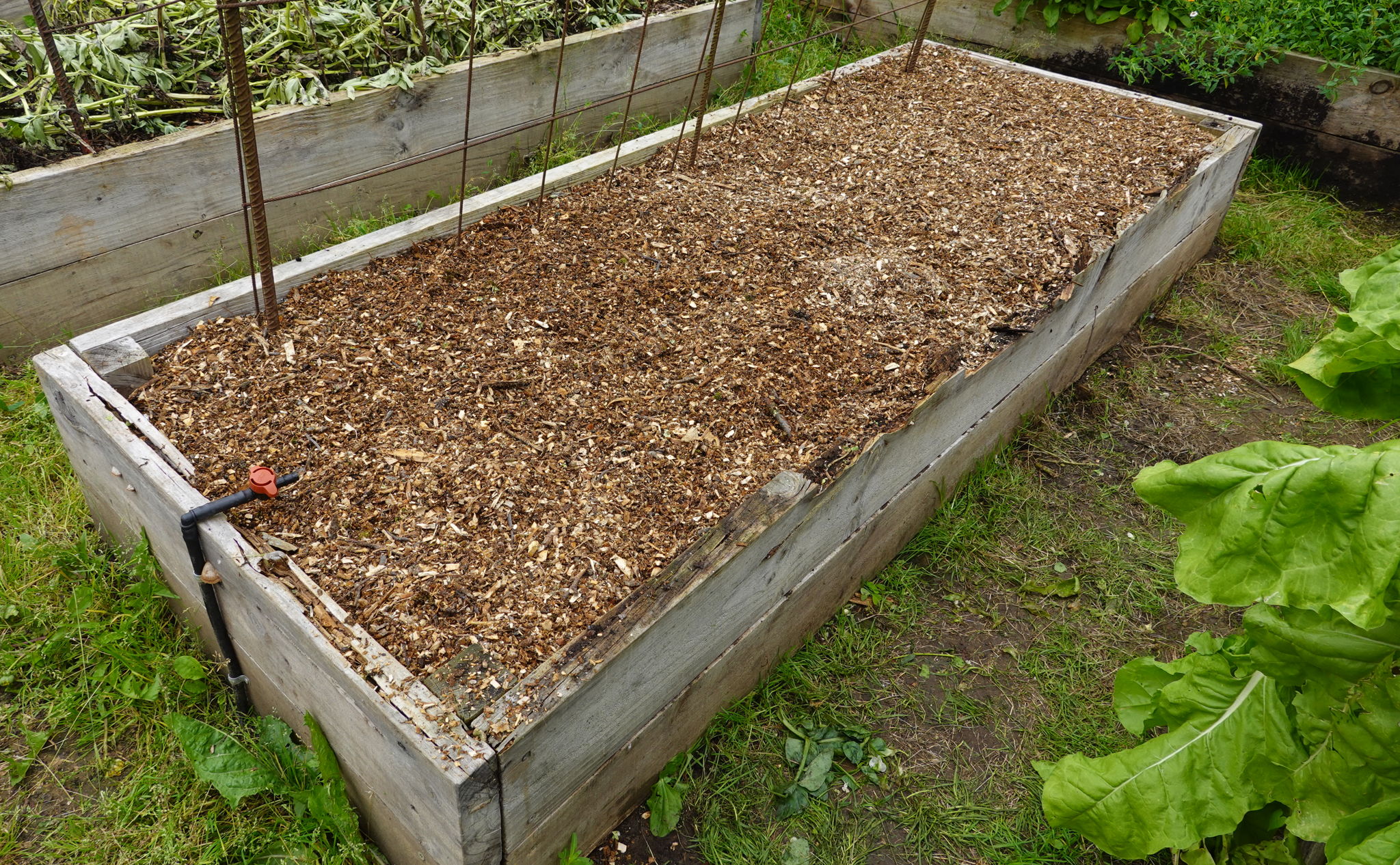
Organic matter is your best friend. Nutrient-rich compost mixed into the soil, or amendments such as leaf mold, will hold water for longer and help to break down the waxy compounds. Mulch added to the surface will keep conditions healthy by reducing evaporation and trapping some water as well. Topping up organic matter regularly — rather than waiting until the soil looks depleted — is far more effective than trying to restore it after the fact.
For very sandy soil, adding clay-rich soils helps the soil retain moisture for longer and improves the balance between water retention and drainage.
Choosing the right soil for the application also makes a difference. Peat-heavy potting mixes are more vulnerable to hydrophobia, particularly in hot or dry climates. A loam-based compost for containers and raised beds reduces the risk considerably.
Watering
Consistent watering is also key. Allowing soil to dry out completely between waterings, especially in hot weather or in containers, is one of the primary causes of hydrophobic soil.
This is particularly worth bearing in mind during summer, when hot and dry conditions can fluctuate quickly. Checking the soil moisture regularly, in addition to watering on a fixed schedule, will help catch any decline early. It’s also helpful to weather-watch and pre-emptively water more before a hot or dry spell, moderating conditions before they arrive.
Wrapping Up
Hydrophobic soil can be a bit of a pain. Thankfully, it can be fixed and prevented with common soil amendments and consistent watering.
By maintaining healthy soil with regular organic matter, sensible watering, and occasional conditioning, you can greatly reduce the chances of hydrophobic soil developing and keep your plants thriving throughout the growing season.