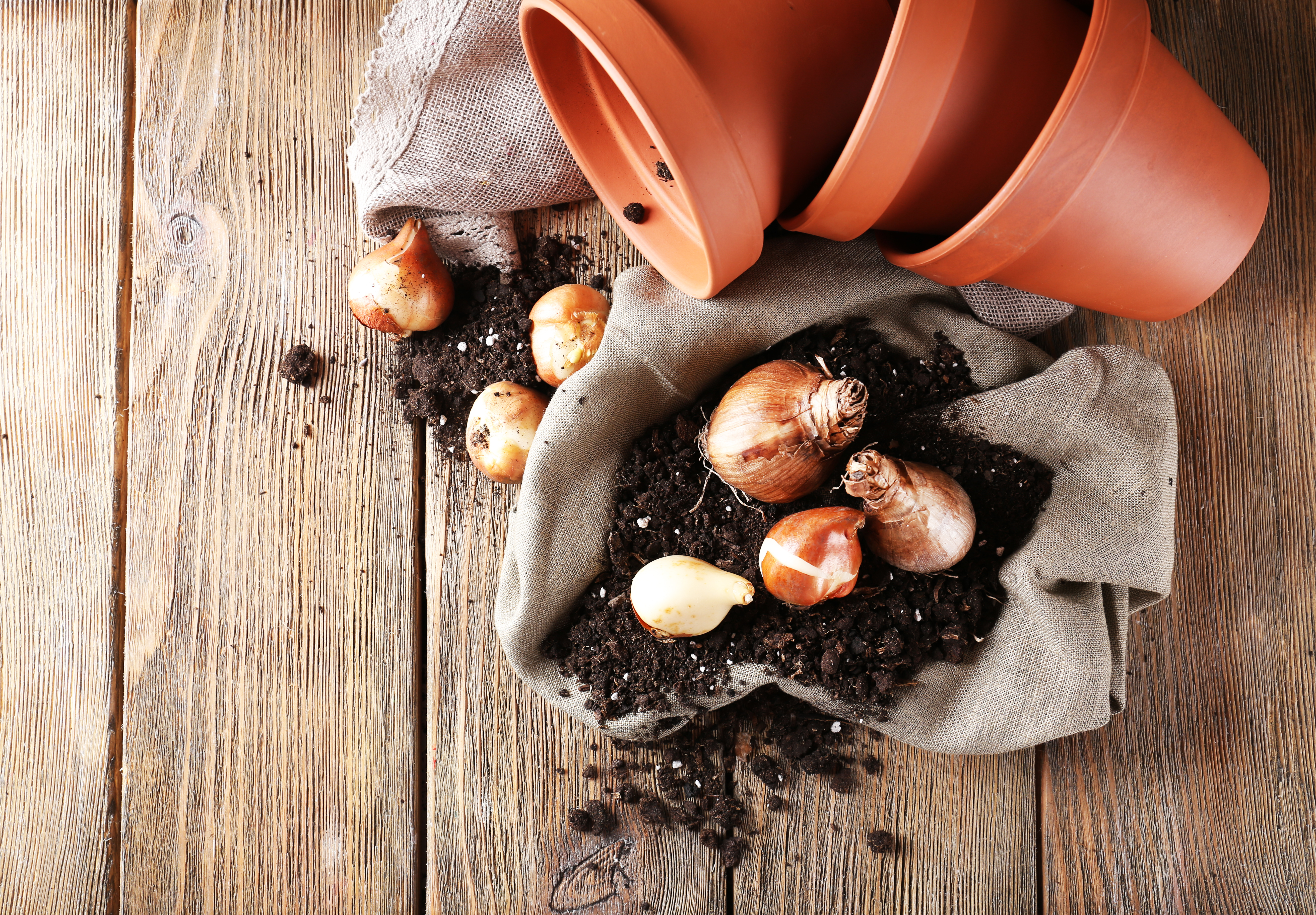
If some of your bulbs came up this year without flowers, they may be suffering from a condition called bulb blindness. The green foliage means the bulb is still alive, but it lacks the energy to produce flowers.
This can happen for several reasons. Thankfully, many of these are easily fixed in time for next year’s blooms, so your garden can stay looking colorful and healthy.
In this article, we’ll dive into the science and then look at the common causes and ways to manage the problem.
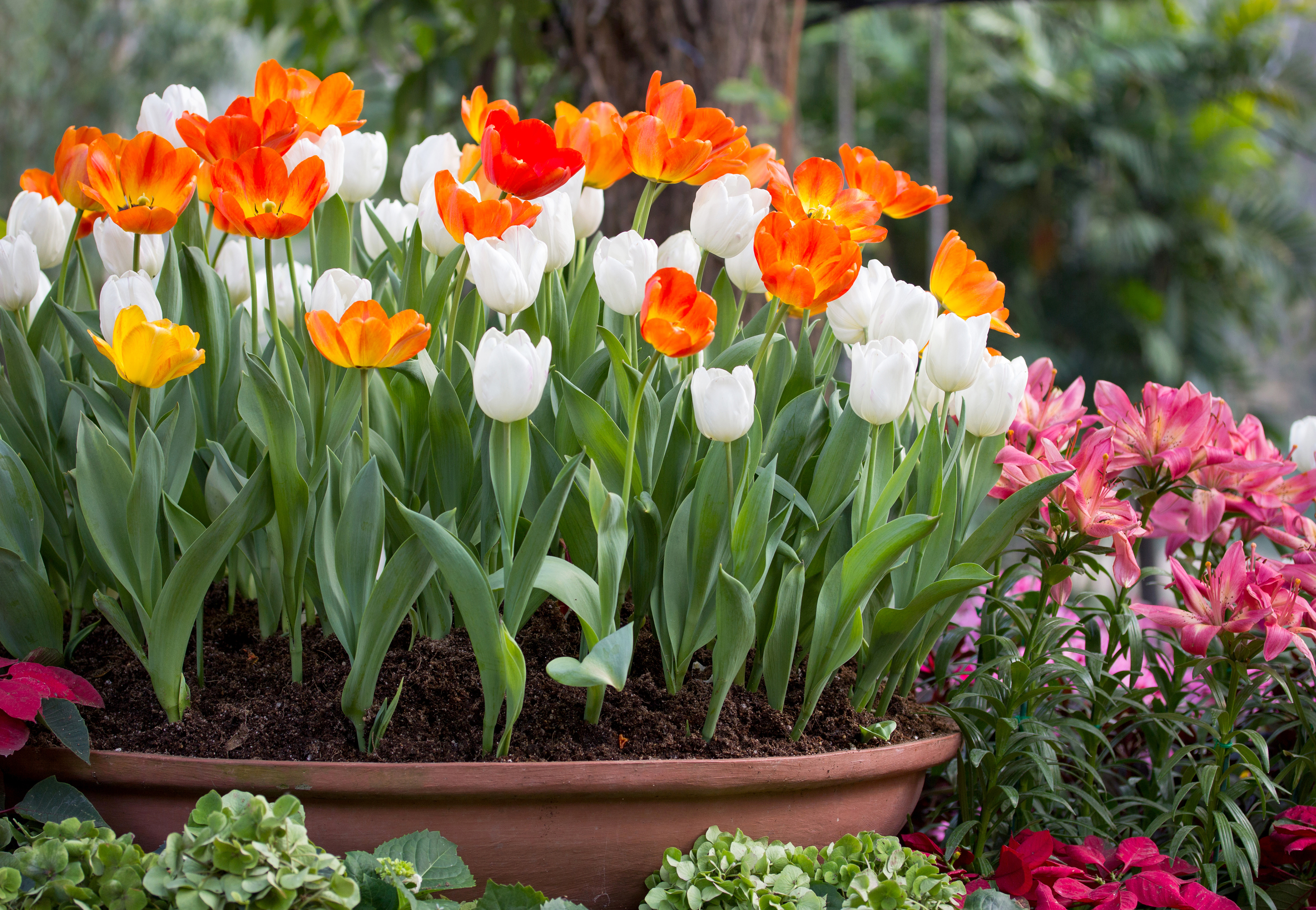
Why do Bulbs Go Blind
Bulbs are energy stores. After they finish flowering, they draw energy inside and keep it for next year’s growth and flowering. If this cycle is interrupted, or if the conditions are particularly unfavorable, this can show through a lack of flowering the following year, as flowering is a very energy-intensive process.
Daffodils are perhaps the bulbs most known for suffering from blindness, although most bulbs are susceptible to some degree. Blindness, however, is not a permanent condition or a disease; it’s a response to an environmental factor, so it can be fixed.
Common Causes
All of the causes of bulb blindness interrupt the storing of energy in some way. These are the most common causes among all bulbs.
- Premature foliage removal: Bulbs will continue to photosynthesize after they have finished flowering. While you should remove flowers and deadhead plants, you should leave the leaves.
- Shallow planting: This can lead to blindness by triggering premature bulb division, which results in lots of smaller, weaker bulbs. The top layers of soil are also more affected by temperature swings and drying, which can stress the bulb.
- Overcrowding: Too many bulbs in one area reduce the availability of nutrients. Most bulbs will need dividing or thinning every few years. If you don’t have space in your garden to move them, you can always give some to a friend or neighbour.
- Nutrients: Most bulbs are not heavy feeders; however, some tubers like dahlias (which often need regular fertilizing to bloom) and alliums feed more heavily.
- Water stress: The weather can be unpredictable. A dry spring or warmer winter can inhibit strong leafy growth, which in turn affects flowering.
- Aging bulbs: Eventually, bulbs become too old and cannot store enough energy to flower.
- Lack of sunlight: Most bulbs need 6-8 hours of sunlight, although some will tolerate partial shade well. Newly bought bulbs are full of energy, so they will likely flower the first year even if the conditions are not right.
- Pests & Diseases: Issues like the Narcissus Bulb Fly or basal rot can hollow out the bulb or destroy the core.
Prevention and Cure
Regular care and management of bulbs can prevent most issues from occurring. Most of these methods also work to fix any bulb blindness that is currently showing.
Dormancy Prep
Bulbs will go into dormancy with little help. Remove flowers once they are spent, but leave the foliage for 1-2 months or until it has yellowed and withered. This gives the bulb the greatest chance to store up energy for next year.
Proper Planting and Division
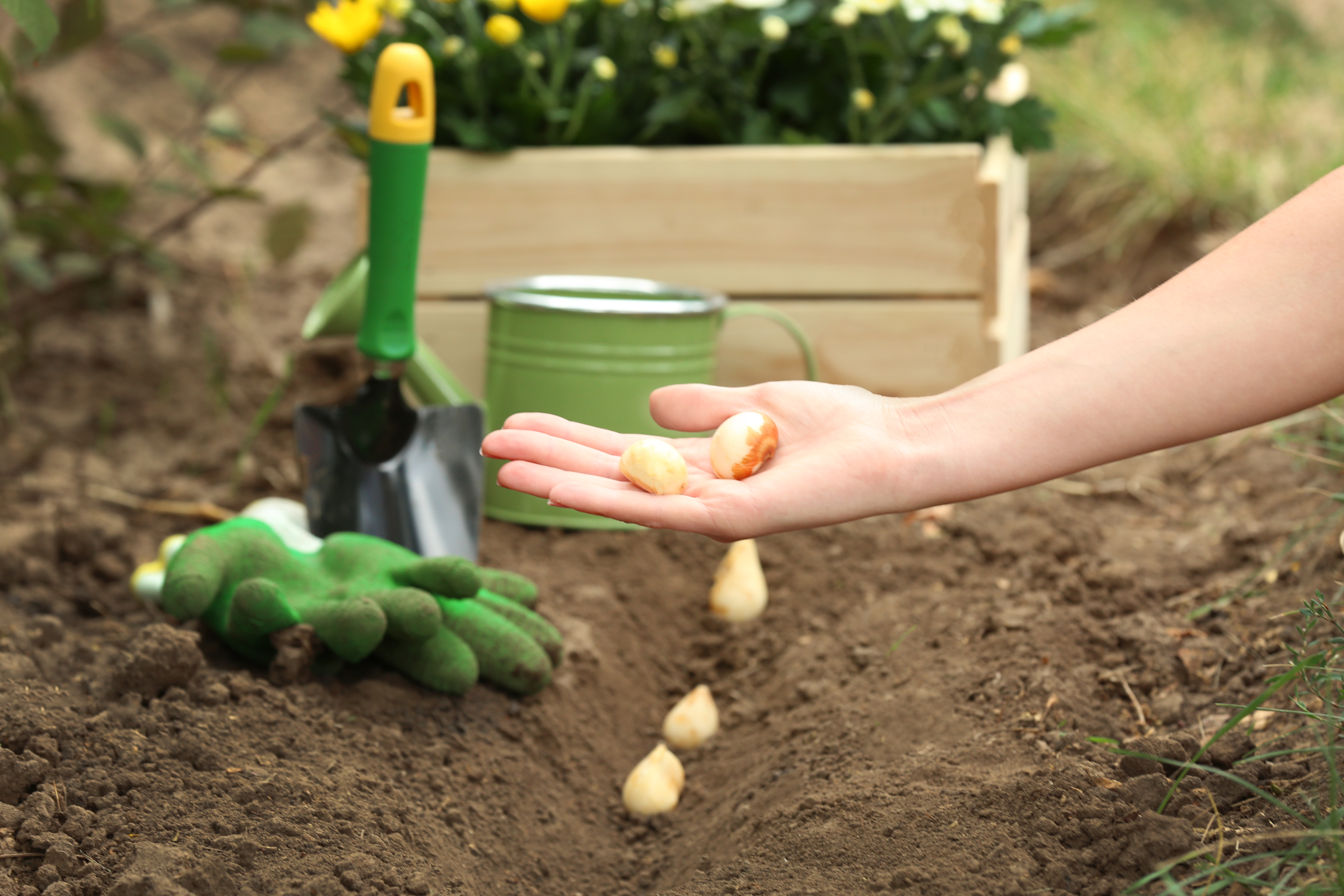
Planting bulbs at the correct depth and at the correct spacing promotes healthy growth and pushes back the eventual overcrowding and natural division to a healthy period in the bulb’s growth when the plant is more mature.
Most bulbs need planting at a depth of 2-3 times their height. Dividing bulbs when they become overcrowded can fix blindness and prevent it from occurring.
Fertilizing
When bulbs are first planted (and if they need lifting and replanting each growing season like dahlias), mix in a little bonemeal or slow-release fertilizer into the planting hole. This will keep the bulb well fed as it roots out.
Additionally, a small fertilizing as leafy growth emerges will help mitigate any unpredictable weather and promote continued growth.
Location, Location, Location
Bulbs need plenty of sunlight, unless they prefer dappled shade, and conditions that are not too wet. Excessively damp soil will rot the outer layers of the bulb and lead to basal rot.
The planting instructions for your bulbs will be the best guide. If your garden tends to be very wet, raise the planting area a little to improve drainage. Be mindful of other plant growth that may eventually shade out your bulbs – you may need to prune or replant after a few years.
Water
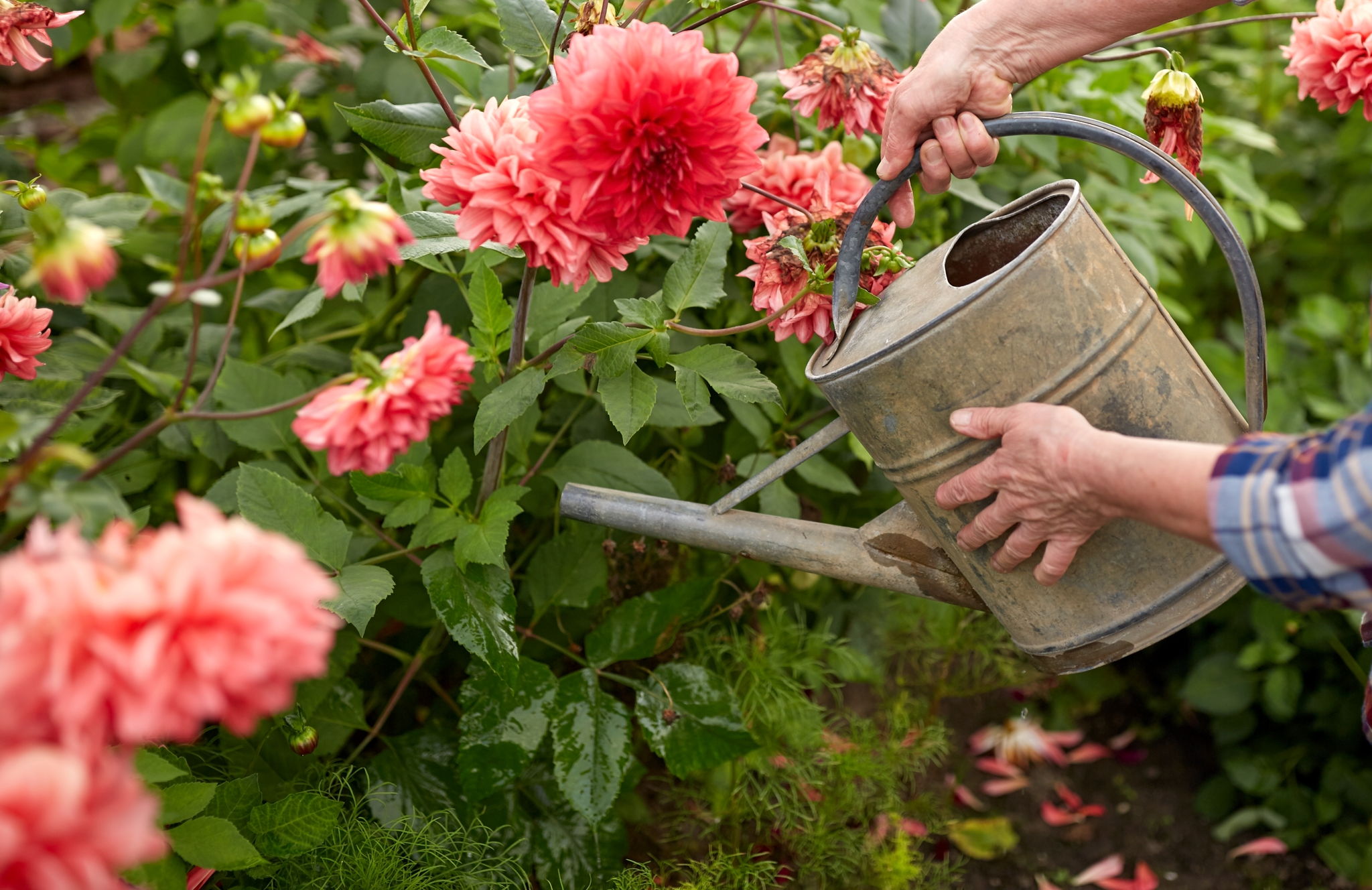
Bulbs should be watered when planted. A deep soak will promote good root growth. Most bulbs will not need watering until growth emerges, as overly wet soil can lead to rot. Once surface growth begins, regular watering will help your bulbs bloom.
This can depend on the bulb and your location; however, drier climates may need more regular watering to keep the soil damp enough for roots to emerge.
Pests
Planting and maintaining healthy bulbs is the best prevention against pests; however, even under the best circumstances, plants can be affected. Pests such as the Narcissus Bulb Fly will eat away at the bulb.
It’s worth checking a few blind bulbs to make sure that pests are not the cause. If any bulbs are damaged or being actively eaten, remove them immediately and check for spread to nearby areas.
Daffodils are the most susceptible to this pest.
Wrapping Up
Although it can be disheartening to have your bulbs come up and not flower, rest assured that the issues are fixable, often by the next year.
With regular care and maintenance, you can have consistent flowering bulbs for all seasons in your garden.