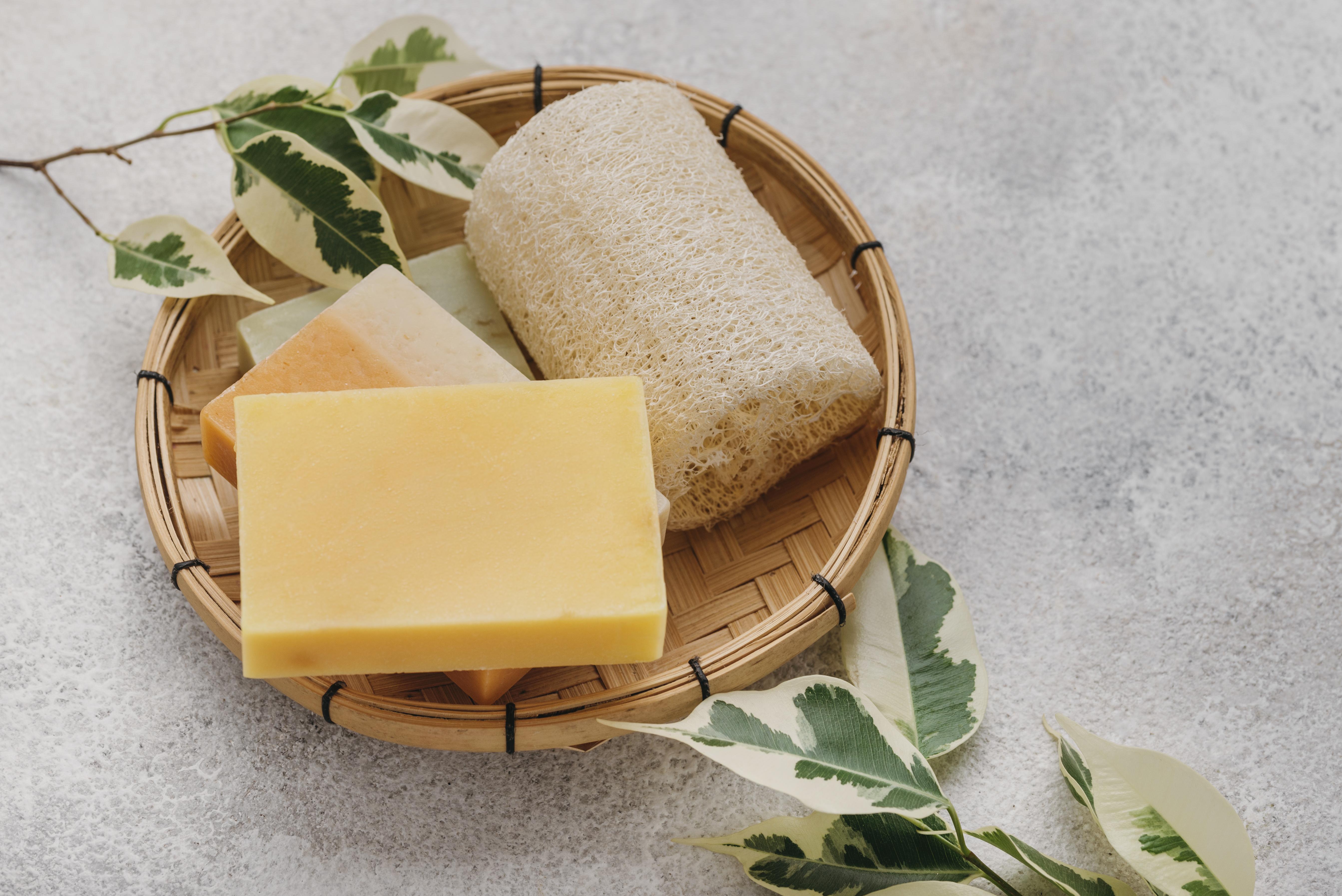
Gardens can be more than places to grow food and flowers, although these will always bring me joy. Many plants offer practical uses in cleaning, crafting, storing, and even building everyday household items.
In this article, we’ll introduce five plants that are well-suited to home gardens, depending on climate, and how they can be processed into useful tools and materials.
Luffa
Luffa (also spelled loofah) is an annual vining gourd in the cucumber family. It can be harvested young and eaten like zucchini, or left to mature on the vine, where it develops its fibrous, sponge-like interior.
A luffa is ready for sponge harvest when it feels light, and the seeds rattle inside. The skin turns from green to yellow, then brown as it dries. In most cases, it is best cut when mostly yellow and just beginning to brown.
Timing varies with climate. In humid areas, it can help to harvest slightly early and finish drying indoors to reduce mold risk. Over time, weight, color, and seed movement become reliable guides for your location.
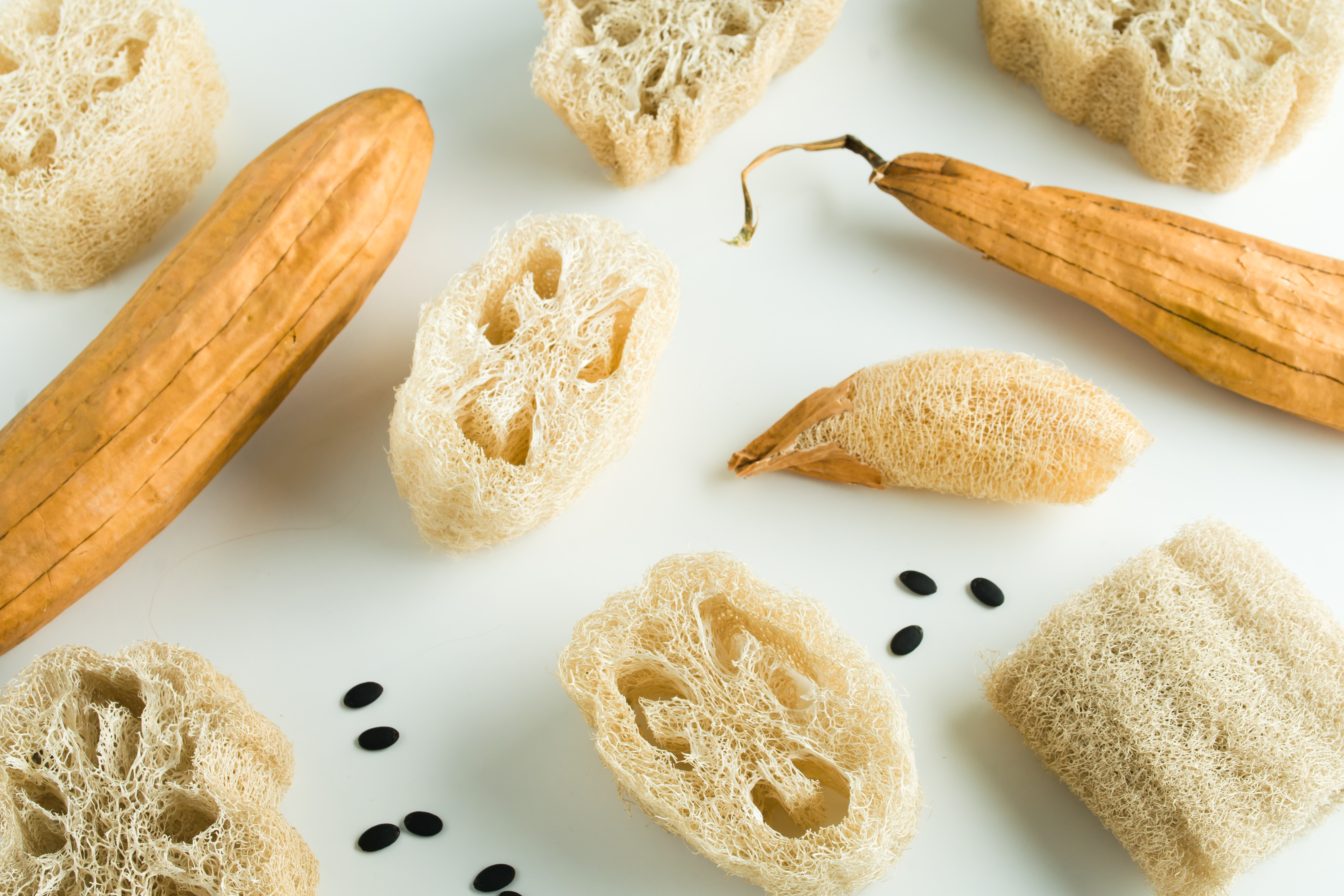
To expose the sponge, the dried luffa can be soaked briefly to soften the skin, which then peels away with gentle pressure. Seeds release easily and can be saved for replanting.
For use, the sponge can be cut into smaller sections, or ‘rounds’, and switched out regularly so they stay fresh. Properly dried and stored in a cool, dry place, luffa sponges last for many months. Old sponges can be composted.
Luffa prefers hot, humid conditions but is adaptable. It requires full sun—about six to seven hours per day—and a long warm season to mature.
Bottle Gourd
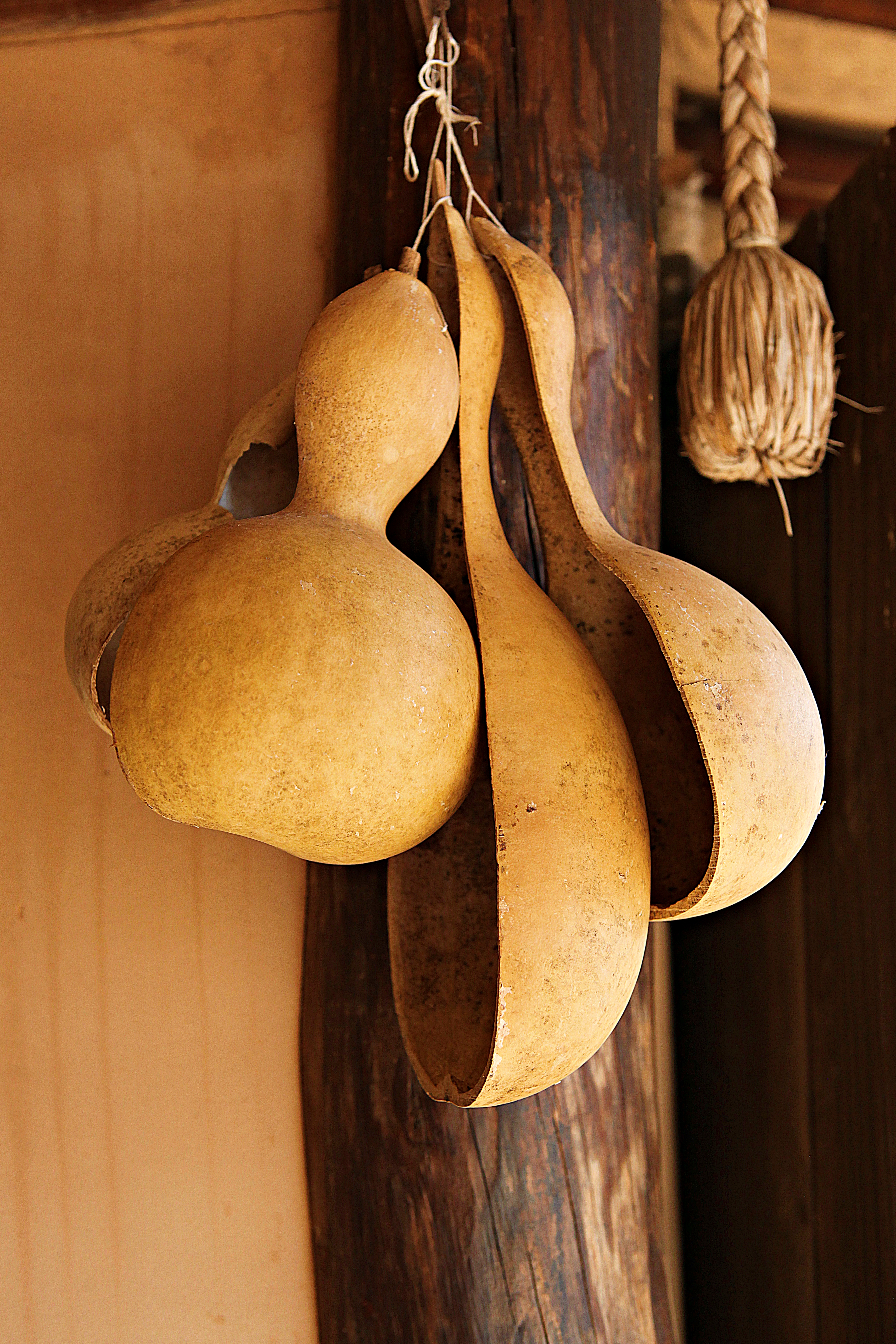
Bottle Gourd—also known as calabash or birdhouse gourd—is a vining annual in the cucumber family. Its scientific family name comes from a Greek word meaning “vase,” a fitting reference to its traditional use as a natural container.
If left to fully mature on the vine, the fruit develops a hard, durable shell. Once cured and dried, it can be cleaned and carved into a variety of household items, including bowls, ladles, utensils, and birdhouses.
Fruit set can be inconsistent where pollinator activity is low. Hand pollination—transferring pollen between male and female flowers in the morning—can significantly improve yields.
Bottle gourds prefer warm, humid conditions but are relatively adaptable. They grow best in well-drained, sandy soil and require full sun—around six to seven hours per day. A long growing season is essential for the fruits to mature and harden before harvest fully.
Soapwort
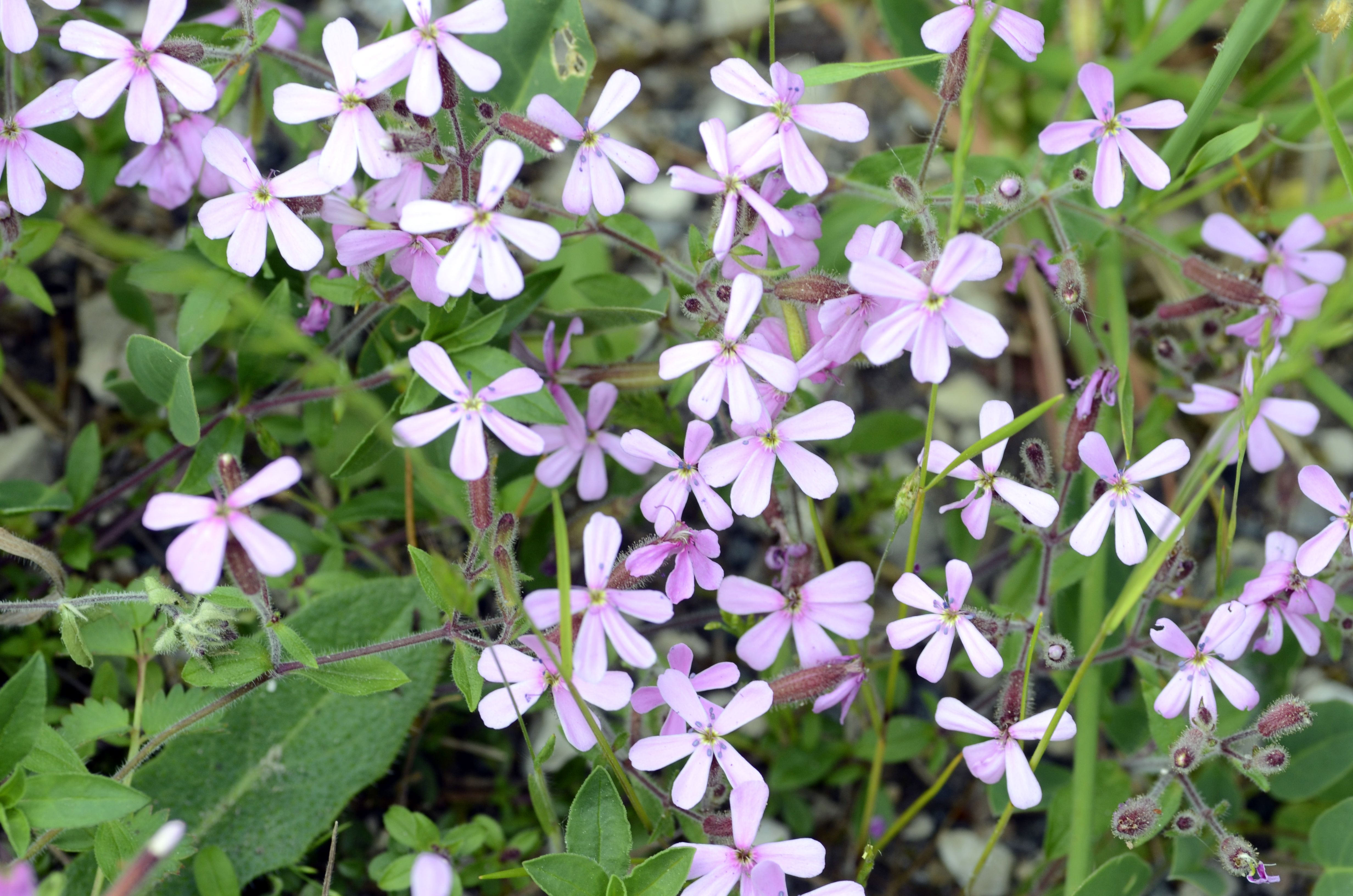
Soapwort, as the name suggests, is a plant traditionally used for natural cleaning. It is sometimes called bouncing bet, and it contains saponins—natural compounds that produce a mild lather when agitated in water.
Soapwort can spread aggressively in some regions through underground rhizomes and is considered invasive in certain areas. For this reason, it is often best grown in a container or confined space where its growth can be managed.
To make a simple cleaning solution, rinsed plant material (leaves, stems, and roots) can be chopped and gently boiled in water to extract the saponins. A common starting ratio is about two cups of chopped plant material per quart of water. After cooling, the mixture can be strained to produce a mild detergent-like liquid suitable for light household cleaning.
The strength of the solution can vary depending on plant age and preparation, so some experimentation is normal when first using it.
Soapwort solutions should be used with care. They can be harmful to aquatic life in concentrated amounts (the plant should also be planted away from water sources), and some individuals may experience skin sensitivity.
For those interested in exploring further, other traditional plant-based soaps and cleaning plants are documented here: https://www.fs.usda.gov/wildflowers/ethnobotany/soaps.shtml
Yucca
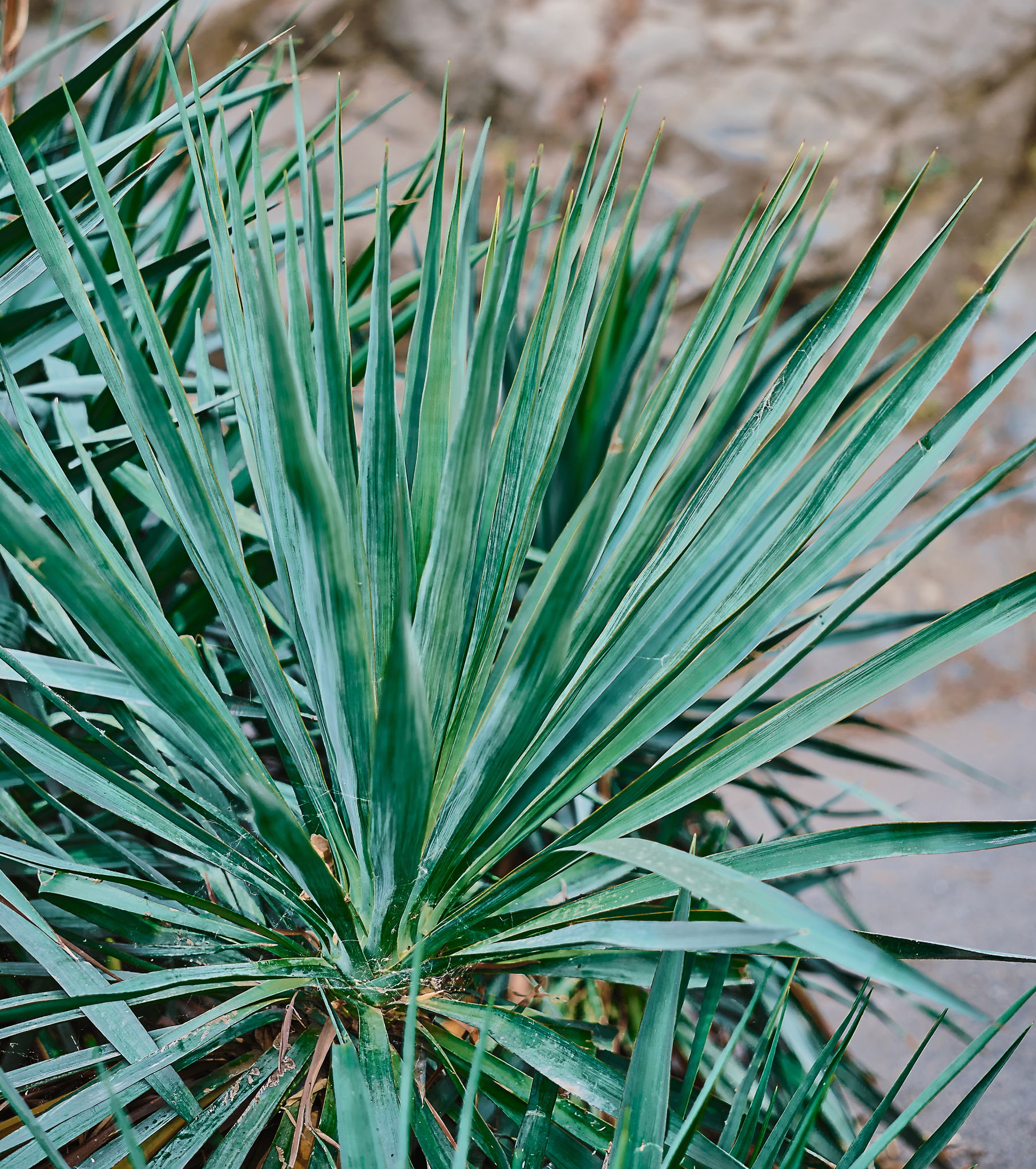
Yucca is a hardy perennial plant well adapted to dry, sunny climates. It is best known for its architectural rosettes of sword-like leaves and its resilience in poor soils, but it also has a long history as a practical fiber plant.
The long leaves contain strong, stringy fibers that can be extracted and twisted into cordage. To do this, the leaves are cut, then scraped or pounded to break down the soft outer material. Once the green pulp is removed, the remaining fibers can be rinsed and dried, revealing a surprisingly strong natural thread.
These fibers can then be twisted or braided into rope, string, or cords. While not as uniform as processed commercial fiber, yucca cordage is durable and weather-resistant.
Younger leaves tend to yield finer, more flexible fibers, while older leaves produce coarser but stronger strands. Harvesting a mix of both can help balance strength and usability depending on the intended purpose.
Yucca thrives in full sun and well-drained, often sandy or rocky soil. Once established, it requires very little water and can persist in harsh conditions where many other useful plants would struggle.
Sunflowers
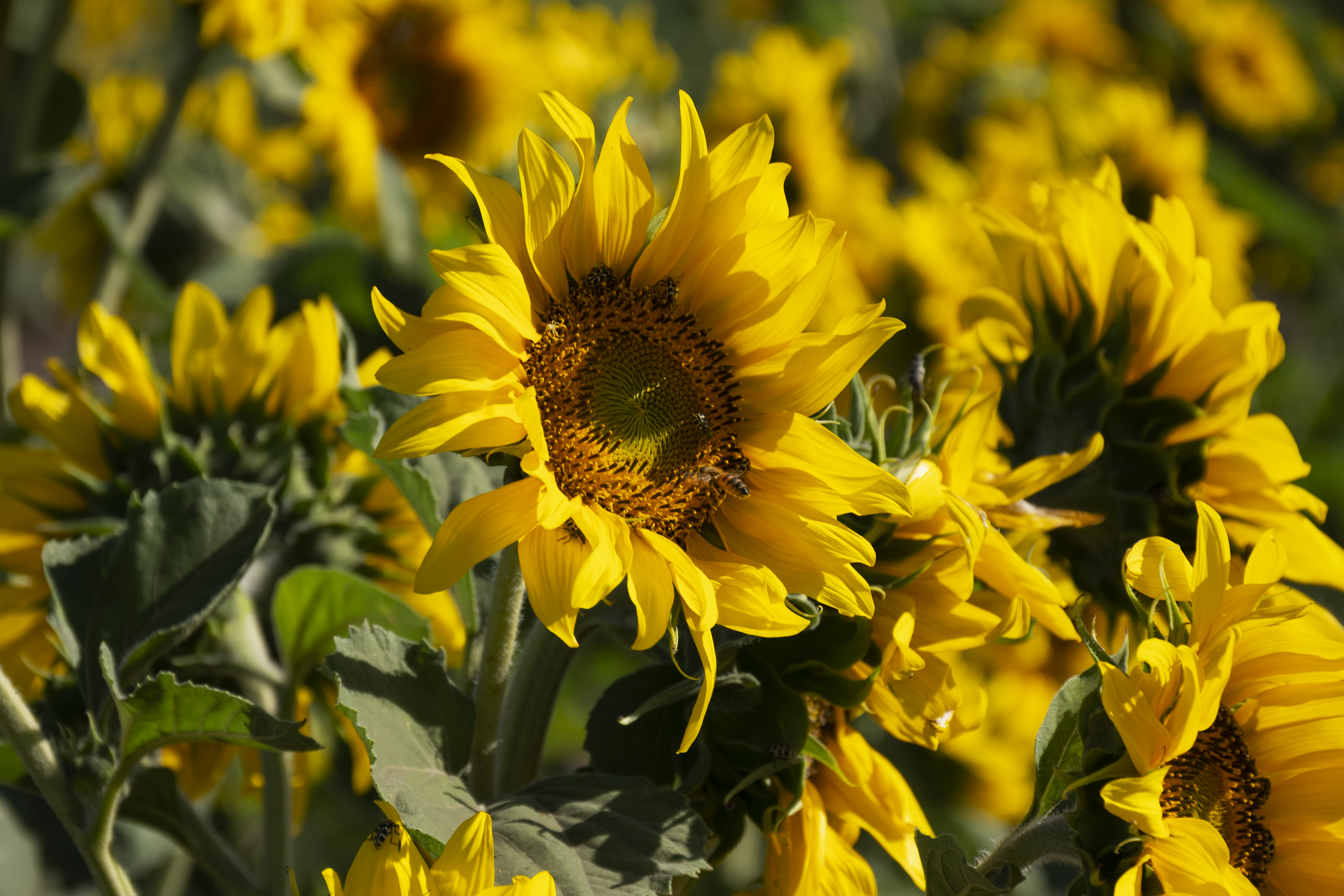
Sunflowers are a well-known garden staple, valued for their ability to attract pollinators, produce abundant seed for birds, and bring colour to any space. Less commonly considered, however, is the usefulness of their dried stalks.
Larger varieties, such as Mammoth, produce thick, sturdy stalks that dry into strong natural canes. Once the flower heads have finished and the seeds have been harvested or left for wildlife, the stalks can be cut at the base and left to dry upright in a cool, dry place over winter. After drying, they become surprisingly rigid and lightweight — useful as natural stakes for supporting climbing plants such as beans, or for holding up bird netting.
Larger varieties will produce the most useful canes, but any sunflower stalk is worth saving. While they won’t support particularly heavy crops like squashes, they are well-suited to lighter tasks and will serve well for a full growing season.
At the end of their useful life, the canes can be laid horizontally in a compost pile, where they create air pockets that help speed up the composting process — getting one final use out of the plant before it returns to the soil.
Wrapping Up
Gardening is already rewarding, but getting practical use out of what you grow adds another dimension to it. These plants are also biodegradable, so when they’ve served their purpose, they leave little behind and will nourish future plants once composted.