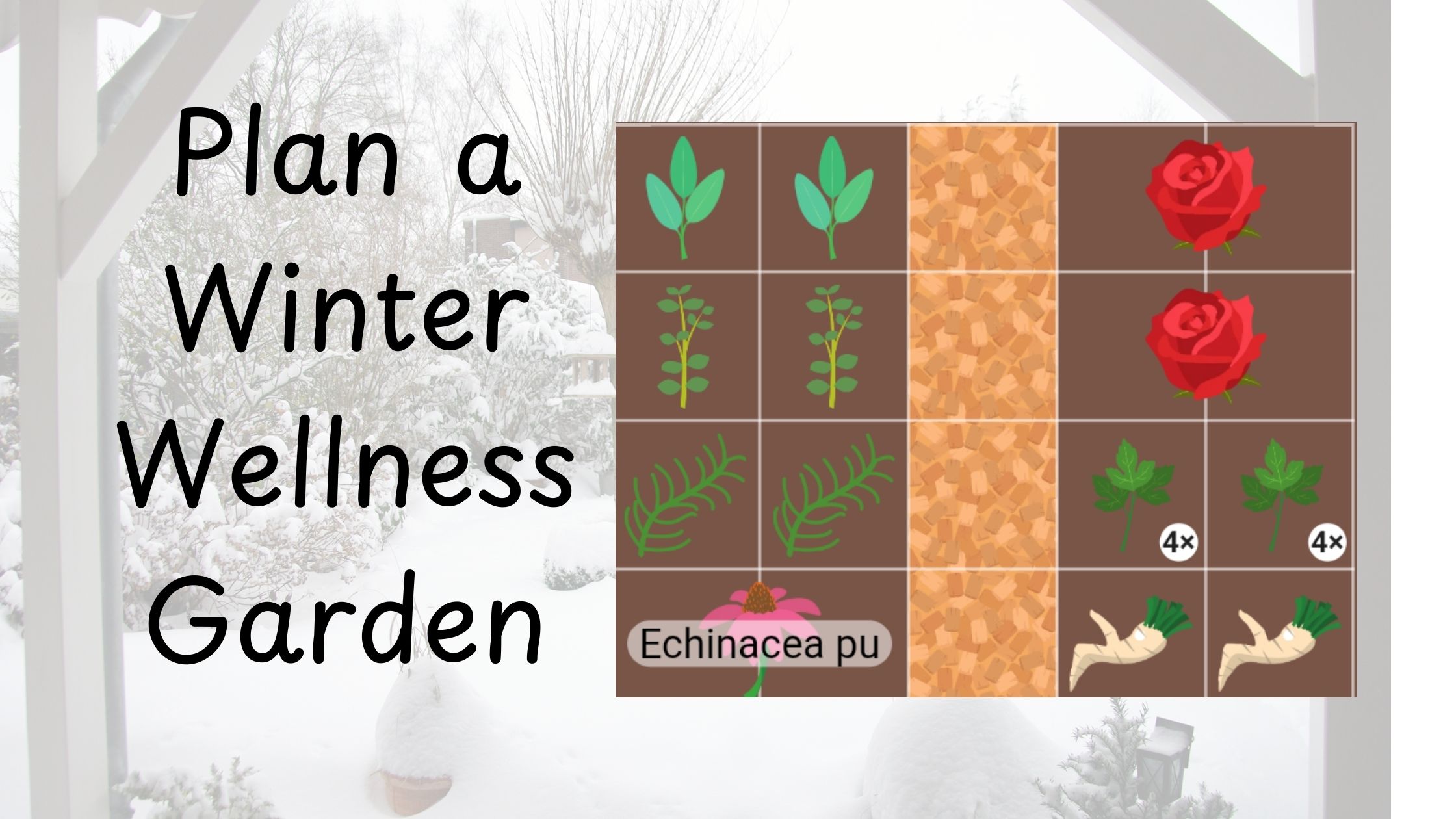
Part 13 - Plan a Winter Wellness Garden (this article)
For many gardeners, winter is a time to rest and reflect on the year and dream up plans for next year’s garden. It’s time for festivities and merriment. But it’s also the time of year when sniffles and sneezes make the rounds. Now’s a great time to plan a winter wellness garden. Imagine being able to step outside and harvest remedies from your yard. With a little planning, you can have your own winter wonderland of wellness.
Garden sage (Salvia officinalis) is a favorite for flavoring meats and stuffing, but it’s also a super star herb for wellness. Clinical trials show sage leaves make an effective tea for easing the pain of sore throats. Mix in a little thyme and lemon juice for even more goodness. Not a fan of sage’s strong flavor? You can gargle an infusion of sage instead of drinking it. Sage is a very hardy perennial, and you can harvest bits all winter long, but if you live in an area with very harsh winters, you may want to cover it or grow it indoors during intense weather.
It’s not uncommon to overindulge around the holidays and experience digestive upset. Parsley isn’t just decoration on a plate; it’s a great herbal remedy for bloating and indigestion. Chew a few leaves before a rich meal to keep upset tummies at bay. Parsley is a biennial plant, so it flowers in its second year. Parsley is hardy in USDA growing zones 6 and above, but if protected in colder climates, it can be harvested year-round. The leaves, roots, and seeds can be used for herbal purposes.
Horseradish is an easy plant to grow. The best way is to get a root division from your garden center, a friend, or a grocery store-bought root. Plant the root in the spring to be ready to harvest in the fall or winter as needed. Horseradish roots can be stored in the fridge for a couple of months, too. For sinus congestion, nothing compares to a hit of horseradish to help clear passages. You can make a prepared horseradish sauce or chop up a small piece and eat it plain if you’re brave. Fire cider recipes are very popular in traditional herbalism, and many feature horseradish for its immune-supporting properties.
The next time you want to clear your sinus passages, give horseradish root a try
Rosemary is an evergreen herb. It comes in all sizes, so there’s sure to be one that suits your garden. Rosemary is a tough plant, but if you’re expecting a particularly rough stretch of weather, like an ice storm, you can cover up your plant. Rosemary thrives in well-draining soil. Throughout history, rosemary has been used as a circulatory stimulant, so a cup of rosemary infusion could be helpful when you feel you need to warm up. It’s full of antioxidants and may help support the immune system. When you’re feeling under the weather, try adding a few sprigs of fresh or dried rosemary to your chicken soup.
Did you know that roses have many herbal uses? The petals are commonly used in skin care preparations worldwide. Roses offer a unique floral flavor to herbal teas. But what can roses offer us in the winter? The seed head that forms after a flower has bloomed is called a rosehip. They are full of vitamin C. During World War II, the British made a syrup from rosehips to combat scurvy because citrus was nearly impossible to obtain. Rosehip jelly is a popular condiment in many countries. Rosehips can be dried and added to teas. For herbal use, the best varieties to use are the wild rose species like Rosa rugosa and Rosa canina. When making teas or jellies with rosehips be sure to use cheesecloth to strain out the little “hairs” that surround the seeds. They can be very irritating to your throat!
If you could only choose one herb to grow for a winter-wellness garden, my pick would be thyme. It’s such a versatile herb! Thyme has well-known anti-septic and anti-viral properties. Thyme tea has been used for cold symptoms, sore throats, fungal issues, digestive complaints, and to aid in fever reduction. It’s surprising what this little plant can do! Brew a cup of thyme tea by adding 1 tsp of fresh or dried thyme to 1 cup of boiling water. Let it sit for a few minutes and then strain. Add lemon juice or honey for flavor. There are some really fun varieties of thyme with interesting flavors like orange thyme and lemon thyme. Thyme can be grown in a pot.
Echinacea has been used for centuries for many conditions, including the common cold. Studies have been done to see how the immune system reacts to echinacea, and there are conflicting reports. It’s important to keep in mind, however, that herbs shouldn’t be thought of as a cure-all, and we should remember that lifestyle affects our health more than any herb can. Our sleep, stress, and emotional management are also important. That said, the German Commission E is considered an expert panel on the use of plants for health, and echinacea is approved by them for the treatment of upper respiratory infections. The seeds, flowers, and roots are used in herbal preparations, with the most common varieties being E. purpurea and E. angustifolia. Try echinacea tea the next time you feel a tickle in your throat. Prepare a tincture from the roots in the fall for winter use.
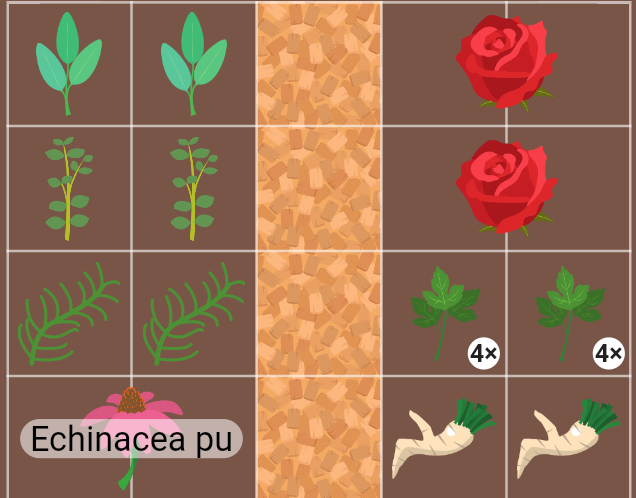
Planning a winter-wellness garden is one way to keep the gardening fun going all year, and it could be helpful one day! For tips on growing herbs in the winter, check out this growing guide. You can start planning your garden today withe the Planter App. Always consult with your health care professional before using herbs.